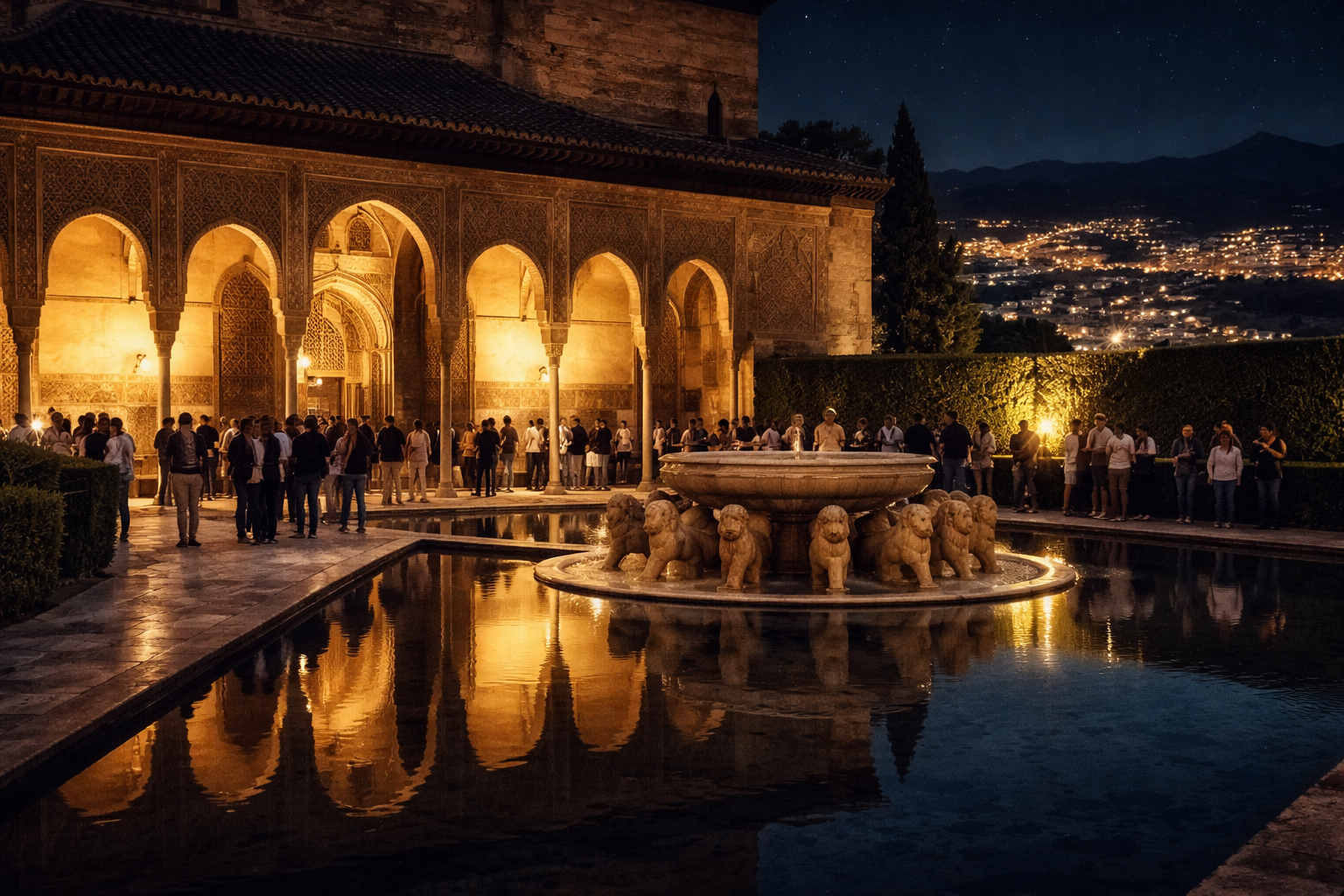
The Alhambra Palace night tour attendance revenue has emerged as a compelling example of how cultural heritage sites can balance preservation with sustainable income generation. Located in Granada, Spain, the Alhambra stands as one of the most visited monuments in Europe, admired for its intricate Islamic architecture, serene courtyards, and panoramic views of the Sierra Nevada. While daytime visits account for the majority of annual entries, the evening experience has developed into a powerful economic engine that not only enhances visitor engagement but also strengthens financial stability for ongoing conservation efforts. Understanding how attendance patterns translate into revenue provides valuable insight into modern heritage management and tourism economics.
The Evolution of Night Access at the Alhambra
Night visits were introduced as a strategic response to two primary challenges: overwhelming daytime crowds and the need for diversified revenue streams. As international tourism expanded, the site experienced mounting pressure during peak seasons. Limiting total daily capacity became essential to protect delicate Nasrid palaces and surrounding gardens. Evening tours offered a creative solution. By opening the monument for carefully controlled nighttime sessions, administrators could distribute visitor flow more evenly while preserving the integrity of sensitive architectural spaces.
Over time, the night program evolved from a niche offering into a highly sought-after cultural experience. The ambiance of illuminated courtyards, softly lit stucco walls, and reflective water features transformed the perception of the monument. Visitors discovered that the palace after sunset offered an entirely different atmosphere from daytime exploration. This emotional appeal became central to attendance growth and ultimately to revenue performance.
Attendance Patterns and Visitor Demographics
Night tour attendance represents a smaller percentage of total annual visitors compared to daytime entries, yet it carries disproportionate economic value. The limited number of tickets available per evening creates a controlled environment that enhances exclusivity. Most visitors who secure these tickets do so well in advance, often as part of a carefully planned itinerary. International travelers, cultural enthusiasts, and couples seeking a more intimate setting are particularly drawn to the experience.
Seasonality plays a notable role in attendance. Spring and summer evenings in Granada are mild and comfortable, encouraging higher demand. During these months, tickets frequently sell out quickly, contributing to stable revenue streams. Even in cooler seasons, interest remains steady due to the unique aesthetic quality of nighttime illumination. Unlike many attractions that struggle with off-season fluctuations, the evening tours maintain consistent appeal throughout the year.
The capped attendance model serves two essential purposes. It preserves the monument by preventing overcrowding, and it increases perceived value. Scarcity reinforces demand, allowing the institution to maintain premium pricing without diminishing visitor satisfaction.
Pricing Structure and Revenue Performance
One of the primary drivers behind the financial success of evening access lies in pricing strategy. Tickets for nighttime visits are typically priced higher than standard daytime admission. This premium reflects the limited capacity, specialized lighting systems, additional staffing, and curated atmosphere. Visitors are not simply paying for entry; they are investing in a distinctive cultural encounter.
The financial impact becomes evident when analyzing annual revenue estimates. While total nighttime attendance may represent a fraction of overall yearly visits, the elevated ticket price generates substantial income. Revenue from evening sessions contributes meaningfully to the monument’s operating budget, supporting conservation, maintenance, research, and visitor services. This structure exemplifies how experiential value can justify higher pricing while maintaining strong demand.
Dynamic pricing strategies further optimize returns. Weekends, holidays, and special cultural evenings often see heightened demand, allowing administrators to adjust pricing within reasonable parameters. This flexibility ensures that revenue aligns with seasonal interest without compromising accessibility or ethical management principles.
Economic Impact Beyond Ticket Sales
The influence of evening attendance extends far beyond the palace gates. Visitors who secure nighttime tickets often adapt their travel plans to accommodate the experience. Many extend their stay in Granada, book additional hotel nights, and dine at local restaurants before or after their visit. This pattern stimulates the broader hospitality sector, reinforcing the economic importance of heritage tourism within the city.
Local tour operators, guides, and cultural organizations also benefit. Evening tours frequently inspire demand for complementary experiences such as guided walking tours through the Albaicín district or flamenco performances later at night. The cumulative spending associated with each visitor amplifies the financial significance of attendance numbers.
From a municipal perspective, the night program contributes to stable employment opportunities. Additional security personnel, guides, technical staff, and administrative workers are required to operate evening sessions effectively. These roles strengthen the local economy while enhancing service quality for visitors.
Preservation Funded Through Attendance Revenue
Revenue generated from evening visits plays a crucial role in sustaining the monument’s physical integrity. The Alhambra’s delicate plasterwork, wooden ceilings, and historic courtyards require continuous monitoring and restoration. Conservation projects demand significant financial resources, and tourism income remains a primary funding source.
By channeling revenue from premium experiences into preservation initiatives, administrators create a virtuous cycle. Visitors contribute directly to safeguarding the site for future generations. This transparency strengthens trust and reinforces the legitimacy of higher ticket pricing.
Evening attendance also indirectly supports conservation by reducing daytime congestion. Spreading visitor flow across different hours decreases wear and tear on heavily trafficked spaces. Lower density during peak daytime periods allows for more controlled environmental conditions inside sensitive halls, preserving intricate details that define the palace’s artistic value.
Visitor Experience and Emotional Value
The financial success of evening attendance cannot be separated from the emotional impact of the experience itself. Night tours offer a contemplative environment that differs dramatically from daytime exploration. Soft lighting enhances architectural relief, shadows deepen geometric patterns, and reflections in the Court of the Lions create a sense of timeless serenity.
Visitors frequently describe the atmosphere as immersive and almost cinematic. The absence of large crowds allows for slower movement through corridors and courtyards. Sound levels decrease, and the interplay between light and architecture becomes more pronounced. This heightened sensory engagement fosters strong memories, encouraging positive reviews and word-of-mouth recommendations.
Reputation plays a vital role in sustaining attendance revenue. When travelers share compelling experiences through social media or personal storytelling, demand grows organically. The narrative of witnessing the Alhambra under the night sky becomes a powerful motivator for future visitors.
Management Challenges and Strategic Balance
While the economic advantages are clear, managing evening access requires careful planning. Lighting systems must be designed to highlight architectural features without causing heat damage or structural stress. Security measures must ensure visitor safety while preserving the tranquil atmosphere that defines the experience.
Capacity limits are essential. Increasing attendance might yield short-term financial gains, but it could compromise both preservation and visitor satisfaction. Administrators therefore maintain strict quotas that prioritize sustainability over rapid expansion. This disciplined approach strengthens long-term revenue stability rather than chasing immediate profits.
Another challenge involves accessibility and fairness. High demand combined with limited availability can create frustration among travelers who fail to secure tickets. Transparent booking systems and advance reservation policies help manage expectations while protecting the integrity of the experience.
Comparative Position Within Global Heritage Tourism
Evening programming at major heritage sites has become increasingly common worldwide, yet the Alhambra’s model stands out due to its integration of exclusivity, conservation funding, and experiential storytelling. Compared to other monuments that rely heavily on daytime mass tourism, the palace demonstrates how diversified scheduling can increase revenue without expanding physical capacity.
This strategy aligns with contemporary trends in cultural tourism. Travelers increasingly seek meaningful encounters rather than simple sightseeing. By offering a distinctive nighttime atmosphere, the Alhambra responds directly to this shift. The revenue generated reflects not only ticket sales but also the broader appeal of curated experiences.
Long-Term Outlook for Night Tour Revenue
Looking ahead, the outlook for evening attendance remains strong. Global travel patterns indicate sustained interest in immersive cultural destinations. As awareness of sustainable tourism grows, visitors may increasingly favor experiences that balance enjoyment with preservation responsibility.
Technological enhancements, such as improved interpretive audio systems or subtle projection techniques, could further enrich the atmosphere while maintaining respect for historical authenticity. Any innovation, however, must remain subordinate to conservation priorities.
Continued investment in preservation funded by attendance revenue will ensure that the monument remains resilient in the face of environmental pressures and evolving visitor expectations. Stable financial planning anchored in premium yet responsible tourism will remain central to this strategy.
Conclusion
The Alhambra Palace night tour attendance revenue represents far more than a financial statistic. It embodies a carefully constructed model of sustainable heritage management in which exclusivity, emotional resonance, and responsible pricing converge. Controlled attendance ensures preservation, while premium experiences generate income that safeguards the monument’s future. Beyond the palace walls, the economic ripple effect strengthens Granada’s tourism ecosystem, supporting local businesses and employment.
By harmonizing cultural stewardship with economic strategy, the Alhambra demonstrates how historic sites can thrive in a modern tourism landscape. Evening access transforms architecture into an unforgettable experience, and attendance revenue transforms that experience into lasting preservation. In doing so, the monument offers a blueprint for heritage destinations seeking to balance financial sustainability with timeless beauty.
Read also: Bestshoesevershop Email Confirmation Issues and Solutions for Online Shoppers