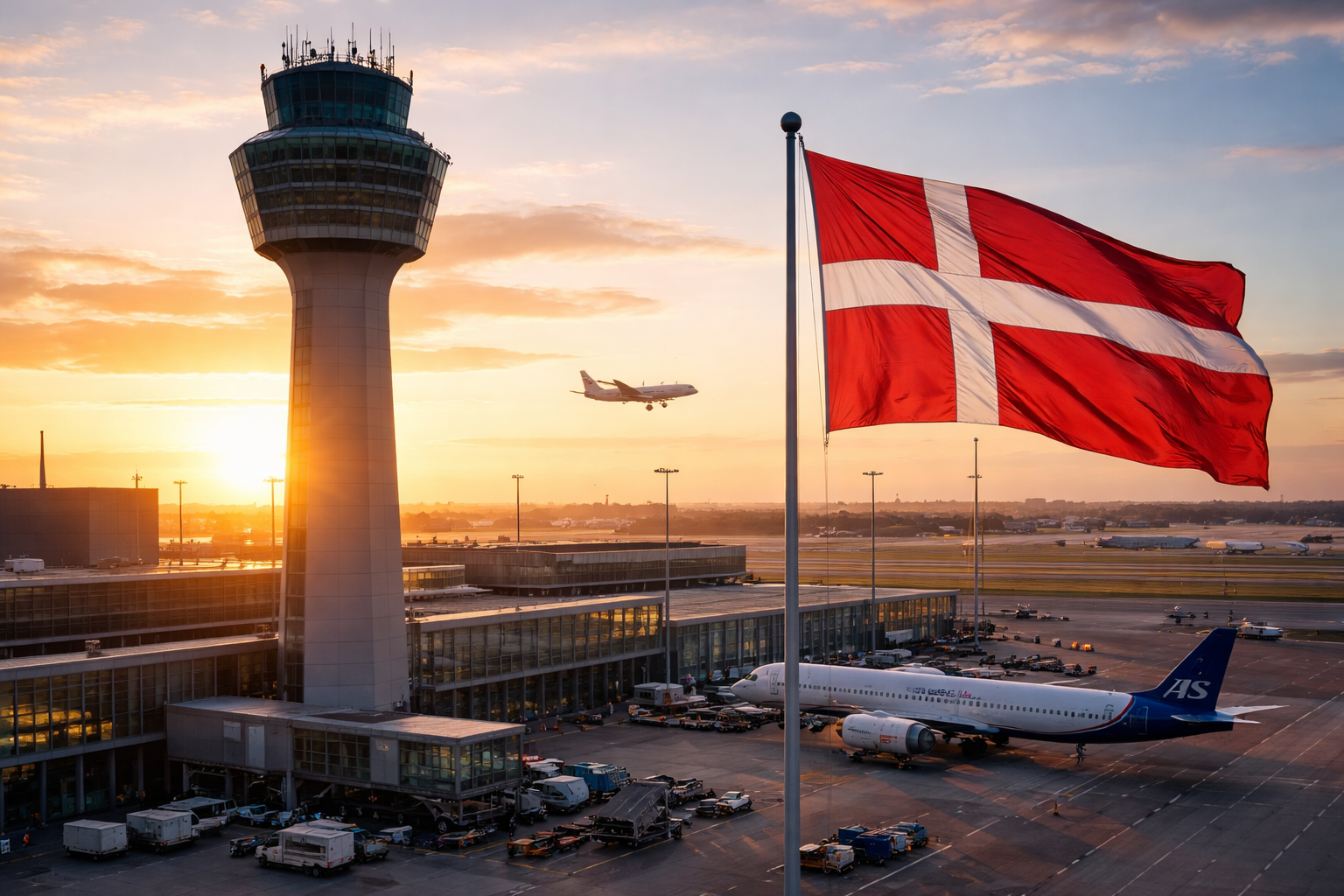
Statens Luftfartsvæsen represents a significant chapter in the history of Denmark’s aviation sector, serving as the country’s primary civil aviation authority for many decades. Its role extended far beyond administrative oversight, shaping the very structure of aviation safety, regulatory compliance, and operational excellence across Denmark. As global aviation expanded rapidly throughout the twentieth century, Denmark relied on Statens Luftfartsvæsen to ensure that its airspace, airlines, and infrastructure met the highest international standards. The authority became synonymous with reliability, precision, and a forward-thinking approach to aviation governance.
The importance of Statens Luftfartsvæsen lies not only in its historical function but also in the lasting systems and principles it established. Even after its transformation and integration into modern regulatory bodies, the influence of this authority continues to guide Denmark’s aviation policies. By examining its evolution, responsibilities, and contributions, it becomes clear that Statens Luftfartsvæsen was instrumental in positioning Denmark as a respected and efficient player in global aviation.
Historical Development of Statens Luftfartsvæsen
The emergence of Statens Luftfartsvæsen came at a time when aviation was transitioning from an experimental mode of transport into a structured and commercially viable industry. Denmark recognized early on that a centralized authority was necessary to regulate air traffic, ensure safety, and coordinate international operations. This realization led to the establishment of Statens Luftfartsvæsen, which quickly became the cornerstone of the country’s aviation administration.
During its early years, the authority focused on creating a comprehensive regulatory framework that addressed the complexities of aviation. This included setting standards for aircraft operations, pilot training, and airport management. As air travel became more common, the responsibilities of Statens Luftfartsvæsen expanded, encompassing both regulatory and operational functions. It played a direct role in managing certain airports and overseeing air navigation systems, providing it with a unique combination of theoretical oversight and practical experience.
As the aviation industry matured, the authority adapted to new challenges, including increased passenger traffic, technological advancements, and the need for greater international coordination. Its ability to evolve alongside the industry ensured that Denmark remained competitive and compliant with global aviation standards. This adaptability became one of the defining characteristics of Statens Luftfartsvæsen.
Core Responsibilities and Operational Scope
Statens Luftfartsvæsen was entrusted with a broad range of responsibilities that touched every aspect of civil aviation in Denmark. One of its primary functions was to regulate airlines and ensure that they operated within established safety and performance guidelines. This involved continuous monitoring, inspections, and audits to maintain high standards across the industry.
The authority was also responsible for licensing aviation professionals, including pilots, engineers, and air traffic controllers. By enforcing rigorous training and certification requirements, Statens Luftfartsvæsen ensured that only qualified individuals were allowed to operate within the aviation sector. This emphasis on professional competence played a critical role in maintaining safety and operational efficiency.
Another important aspect of its work was the certification of aircraft and maintenance organizations. Ensuring that aircraft met strict safety standards required detailed inspections and adherence to international regulations. Statens Luftfartsvæsen worked closely with manufacturers, airlines, and maintenance providers to uphold these standards, contributing to the overall reliability of Denmark’s aviation system.
In addition to regulatory duties, the authority was involved in infrastructure development and management. It oversaw the planning and operation of airports, ensuring that they met the needs of both domestic and international travel. This dual role allowed Statens Luftfartsvæsen to maintain a comprehensive understanding of the aviation ecosystem, bridging the gap between policy and practice.
Commitment to Aviation Safety and Compliance
Safety has always been at the heart of aviation, and Statens Luftfartsvæsen placed it at the center of its mission. The authority developed and enforced safety regulations that aligned with international best practices, ensuring that Denmark’s aviation sector remained secure and reliable. This commitment to safety was evident in its rigorous inspection processes and continuous monitoring of aviation activities.
When incidents or accidents occurred, Statens Luftfartsvæsen conducted thorough investigations to identify their causes and implement corrective measures. These investigations were not only about addressing immediate issues but also about preventing future occurrences. By analyzing patterns and trends, the authority was able to refine its regulations and improve overall safety standards.
The authority also played a key role in fostering a culture of safety within the aviation industry. It encouraged collaboration between stakeholders, including airlines, airports, and maintenance organizations, to promote best practices and continuous improvement. This collaborative approach helped create a resilient and proactive aviation environment in Denmark.
Integration with International Aviation Systems
Aviation operates on a global scale, making international cooperation essential for safety and efficiency. Statens Luftfartsvæsen actively participated in international aviation organizations and adopted global standards to ensure seamless integration with other countries’ aviation systems. This alignment facilitated international travel and strengthened Denmark’s position in the global aviation network.
By adhering to international regulations, the authority ensured that Danish airlines could operate across borders without complications. It also allowed foreign airlines to operate within Denmark’s airspace under consistent and predictable conditions. This level of integration was crucial for maintaining the flow of international commerce and travel.
The authority’s involvement in international forums also provided opportunities to influence global aviation policies. By contributing its expertise and experience, Statens Luftfartsvæsen helped shape the development of aviation standards and practices worldwide. This not only enhanced Denmark’s reputation but also ensured that its interests were represented in global decision-making processes.
Organizational Changes and Modernization
As the aviation industry evolved, so did the structure of its governing bodies. A significant transformation occurred when Statens Luftfartsvæsen underwent organizational changes to improve efficiency and specialization. The separation of operational and regulatory functions marked a turning point, allowing each area to focus on its specific responsibilities.
This process culminated in the eventual merger of Statens Luftfartsvæsen into a broader transportation authority. The integration aimed to streamline operations, reduce redundancy, and enhance coordination across different modes of transport. While the original entity ceased to exist in its traditional form, its functions and principles were carried forward into the new organizational structure.
The transition reflected a broader trend in public administration, where governments seek to optimize resources and improve service delivery. By combining expertise from various sectors, the new authority was better equipped to address the complexities of modern transportation systems, including aviation.
Influence on Denmark’s Aviation Growth
The contributions of Statens Luftfartsvæsen played a vital role in the growth and development of Denmark’s aviation industry. By providing a stable regulatory environment, the authority encouraged investment and innovation within the sector. Airlines and other stakeholders benefited from clear guidelines and consistent enforcement, which helped build confidence and trust.
The authority’s focus on infrastructure development also contributed to the expansion of Denmark’s aviation network. Modern airports, efficient air navigation systems, and well-maintained facilities enabled the country to handle increasing passenger and cargo traffic. This growth not only supported economic development but also enhanced connectivity with the rest of the world.
Furthermore, the reputation for safety and reliability established by Statens Luftfartsvæsen attracted international partnerships and collaborations. Denmark became known as a country with a strong aviation framework, making it an attractive destination for airlines and aviation-related businesses.
Challenges and Future Perspectives
The aviation industry continues to face a range of challenges, including environmental concerns, technological advancements, and changing passenger expectations. The legacy of Statens Luftfartsvæsen provides a strong foundation for addressing these challenges, but new approaches are required to navigate the evolving landscape.
Environmental sustainability has become a major focus, with efforts to reduce emissions and adopt greener technologies gaining momentum. Regulatory authorities must balance the need for growth with the responsibility to protect the environment, implementing policies that encourage sustainable practices.
Technological innovation is another key area of development. Advances in automation, digitalization, and data analytics are transforming the way aviation operates. These changes require updated regulations and new frameworks to ensure safety and efficiency. The principles established by Statens Luftfartsvæsen, including adaptability and a commitment to excellence, remain relevant in guiding these developments.
Conclusion
Statens Luftfartsvæsen stands as a cornerstone of Denmark’s aviation history, having played a crucial role in shaping the country’s civil aviation system. Its contributions to safety, regulation, and infrastructure development have left a lasting impact that continues to influence modern aviation governance. Through its evolution and eventual integration into a broader authority, it demonstrated the importance of adaptability and innovation in managing complex systems.
The legacy of Statens Luftfartsvæsen is evident in the strength and reliability of Denmark’s aviation sector today. By establishing high standards and fostering a culture of safety and collaboration, it laid the groundwork for continued growth and success. As the aviation industry moves forward, the principles and practices introduced by Statens Luftfartsvæsen will remain a guiding force, ensuring that Denmark continues to excel in the global aviation landscape.
Read also: Maisie Mae Roffey: Early Life, Health Battle, Family, and Untold Story