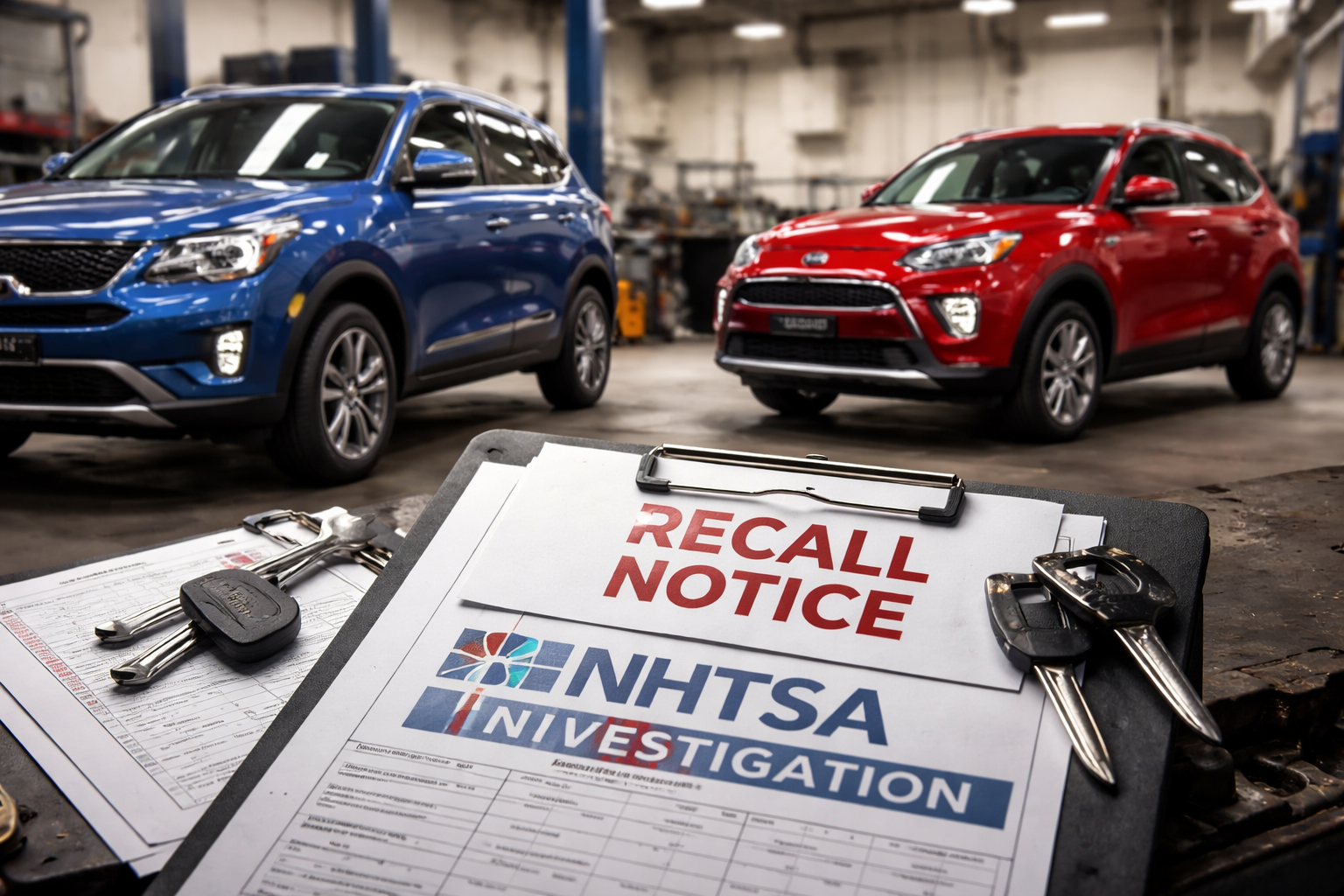
The story surrounding the kia seltos soul recall nhtsa audit has evolved into one of the most significant automotive safety discussions in recent years, not only because of the number of vehicles involved but also because of the questions it raises about recall effectiveness and regulatory accountability. For many drivers, a recall typically represents a straightforward process where a manufacturer identifies a defect, issues a repair solution, and resolves the issue quickly. However, in this case, the situation has proven far more complex, revealing layers of concern that extend beyond a simple mechanical fault. The involvement of federal regulators, growing consumer complaints, and ongoing scrutiny have turned what might have been a routine recall into a broader case study on how modern automotive safety systems are monitored and enforced.
At the center of this issue are certain Kia Seltos and Kia Soul models equipped with a 2.0-liter engine, where a manufacturing defect in piston oil rings has been identified as the root cause of potential engine damage. While the defect itself is technical in nature, its implications are far-reaching, affecting not only vehicle performance but also driver safety and long-term reliability. As the National Highway Traffic Safety Administration initiated an audit into the recall process, the focus shifted from the defect alone to the adequacy of the manufacturer’s response. This shift is crucial because it highlights an evolving regulatory environment where authorities are no longer satisfied with the presence of a recall but are increasingly concerned with whether that recall actually resolves the problem effectively and consistently.
Background of the Kia Seltos and Kia Soul Recall
To fully understand the significance of the kia seltos soul recall nhtsa audit, it is important to examine how the recall itself began and what initially prompted it. The recall was issued after reports indicated that certain engines were experiencing abnormal oil consumption and, in some cases, severe internal damage. Investigations revealed that piston oil rings within the engine were not manufactured to the required specifications, leading to improper sealing and increased friction. Over time, this condition could escalate, resulting in reduced engine performance, unusual noises, and in extreme cases, complete engine failure.
The recall was not limited to a small batch of vehicles but instead covered a substantial number of units, which immediately elevated its importance within the automotive industry. When a recall affects tens of thousands of vehicles, it requires a coordinated response involving dealerships, service centers, parts suppliers, and customer communication systems. In this case, Kia’s response included inspecting affected engines, replacing those that showed signs of damage, and implementing monitoring systems designed to detect potential issues early. On the surface, this approach appeared comprehensive, addressing both immediate and future risks associated with the defect.
However, as the recall process moved forward, reports began to emerge suggesting that the solution might not be as effective as intended. Some vehicle owners claimed that their cars continued to exhibit the same symptoms even after undergoing recall-related repairs. Others reported delays in obtaining replacement parts or inconsistencies in how inspections were conducted across different service centers. These concerns laid the groundwork for further investigation and ultimately led to the involvement of federal regulators.
The Role of the NHTSA Audit in the Investigation
The initiation of the kia seltos soul recall nhtsa audit marked a turning point in the situation, transforming it from a manufacturer-led recall into a federally monitored investigation. The NHTSA’s role in such cases is to ensure that safety defects are not only identified but also properly addressed in a way that protects consumers. When an audit is launched, it indicates that there is sufficient concern to warrant a deeper examination of the recall process, including how repairs are performed, how decisions are made, and whether the overall strategy is achieving its intended outcome.
In this particular case, the audit focuses on several key areas that are critical to the success of any recall. One of the primary concerns is whether the inspection procedures being used by dealerships are accurate and reliable. If a defective engine is incorrectly deemed safe, it may continue to pose a risk to the driver. Another area of focus is the consistency of repair practices across different locations, as variations in how technicians interpret guidelines can lead to uneven results. Additionally, the audit examines the availability of replacement parts and the timeliness of repairs, as delays can prolong exposure to potential hazards.
The involvement of the NHTSA also brings a level of transparency and accountability that extends beyond the manufacturer. By collecting data from consumer complaints, service records, and internal reports, regulators are able to form a comprehensive picture of how the recall is functioning in real-world conditions. This process not only helps identify any shortcomings in the current approach but also provides a basis for recommending or enforcing corrective actions if necessary.
Technical Analysis of the Engine Defect
Understanding the technical aspects of the defect at the center of the kia seltos soul recall nhtsa audit is essential for grasping why the issue has garnered so much attention. Piston oil rings play a crucial role in maintaining the balance between lubrication and combustion within an engine. Their primary function is to regulate the amount of oil that reaches the cylinder walls, ensuring that there is enough lubrication to reduce friction while preventing excess oil from entering the combustion chamber.
When these rings are manufactured incorrectly, they may fail to create a proper seal, allowing oil to pass through in greater quantities than intended. This can lead to a range of problems, including increased oil consumption, buildup of carbon deposits, and accelerated wear on engine components. As the condition worsens, the engine may begin to produce unusual noises, lose power, or even stall unexpectedly. In severe cases, the accumulation of heat and friction can result in catastrophic engine failure or pose a risk of fire.
What makes this defect particularly concerning is its progressive nature. Unlike some issues that present immediate and obvious symptoms, this problem can develop gradually over time, making it more difficult for drivers to detect early on. This underscores the importance of effective inspection and monitoring systems as part of the recall process, as well as the need for clear communication between manufacturers, dealerships, and consumers.
Consumer Complaints and Real-World Experiences
One of the driving forces behind the kia seltos soul recall nhtsa audit has been the volume and consistency of consumer complaints. These reports provide valuable insight into how the recall is performing outside of controlled environments, highlighting potential gaps between intended outcomes and actual results. Many owners have described experiences where their vehicles continued to exhibit signs of engine trouble even after undergoing recall-related repairs, raising questions about whether the underlying issue was fully resolved.
In addition to ongoing mechanical problems, some consumers have reported difficulties in accessing timely repairs. Delays in scheduling appointments, limited availability of replacement engines, and extended wait times have all contributed to frustration among affected drivers. These challenges not only impact convenience but also have safety implications, as vehicles with unresolved defects may remain in operation longer than they should.
Another recurring theme in consumer feedback is the inconsistency in how different dealerships handle the recall process. While some service centers appear to follow procedures closely and provide thorough inspections, others may take a more limited approach, potentially missing signs of damage. This variability can lead to uneven outcomes, where some vehicles receive comprehensive repairs while others do not, further emphasizing the importance of standardized practices and oversight.
Implications for Kia as a Manufacturer
The kia seltos soul recall nhtsa audit carries significant implications for Kia as a global automotive manufacturer. While recalls are not uncommon in the industry, the escalation of this case into a federal audit places it under a higher level of scrutiny, both from regulators and the public. The way Kia responds to this situation will likely influence perceptions of the brand’s commitment to safety, quality, and customer satisfaction.
One of the key challenges for Kia is maintaining transparency throughout the process. Clear and consistent communication with customers is essential for building trust, particularly when dealing with safety-related issues. This includes providing accurate information about the nature of the defect, the steps being taken to address it, and any updates resulting from the audit. Failure to communicate effectively can lead to confusion and erode confidence among consumers.
At the same time, the company must ensure that its internal processes are aligned with the expectations of regulators. This may involve revising inspection protocols, improving training for service technicians, and enhancing quality control measures. By addressing these areas proactively, Kia has an opportunity to demonstrate its ability to learn from the situation and implement meaningful improvements.
Broader Impact on Automotive Safety Standards
Beyond its immediate effects on Kia and its customers, the kia seltos soul recall nhtsa audit has broader implications for the automotive industry as a whole. It reflects a shift toward greater emphasis on the effectiveness of recalls, rather than simply their existence. This trend suggests that manufacturers may face increased pressure to not only identify and address defects but also to provide evidence that their solutions are working as intended.
For regulators, the case highlights the importance of ongoing monitoring and evaluation of recall processes. By conducting audits and analyzing real-world data, agencies can identify potential shortcomings and take corrective action before they lead to more serious consequences. This proactive approach can help improve overall safety standards and reduce the likelihood of similar issues occurring in the future.
For consumers, the situation serves as a reminder of the importance of staying informed and engaged when it comes to vehicle safety. Understanding how recalls work, recognizing warning signs of potential problems, and taking prompt action when notified can all contribute to a safer driving experience.
What the Future Holds for the Investigation
As the kia seltos soul recall nhtsa audit continues, its outcome will likely shape the next steps for both Kia and regulatory authorities. Depending on the findings, the audit could lead to a range of actions, from minor adjustments to the recall process to more significant measures such as expanded repairs or additional oversight. These decisions will be based on a thorough analysis of data, including consumer complaints, service records, and technical evaluations.
The results of the audit may also influence how future recalls are handled, setting new expectations for manufacturers and regulators alike. By emphasizing accountability and effectiveness, this case could contribute to a more robust and reliable system for addressing automotive safety issues.
Conclusion
The kia seltos soul recall nhtsa audit represents a critical moment in the evolution of automotive safety oversight, highlighting the complexities of modern vehicle manufacturing and the importance of effective regulatory frameworks. What began as a technical issue involving engine components has grown into a broader examination of how recalls are implemented and monitored, with implications that extend far beyond a single manufacturer or model.
For Kia, the situation presents both challenges and opportunities, requiring a careful balance between addressing immediate concerns and demonstrating long-term commitment to quality and safety. For regulators, it underscores the value of vigilance and the need to adapt to an ever-changing industry landscape. Most importantly, for vehicle owners, it reinforces the importance of awareness, action, and trust in the systems designed to protect them.
As the investigation progresses, its findings will not only determine the resolution of this particular case but also contribute to shaping the future of automotive safety, ensuring that recalls are not just issued but are truly effective in safeguarding drivers and passengers alike.
Read also: Aimee Bock $5.2M Restitution: Full Story, Legal Impact, and Key Lessons