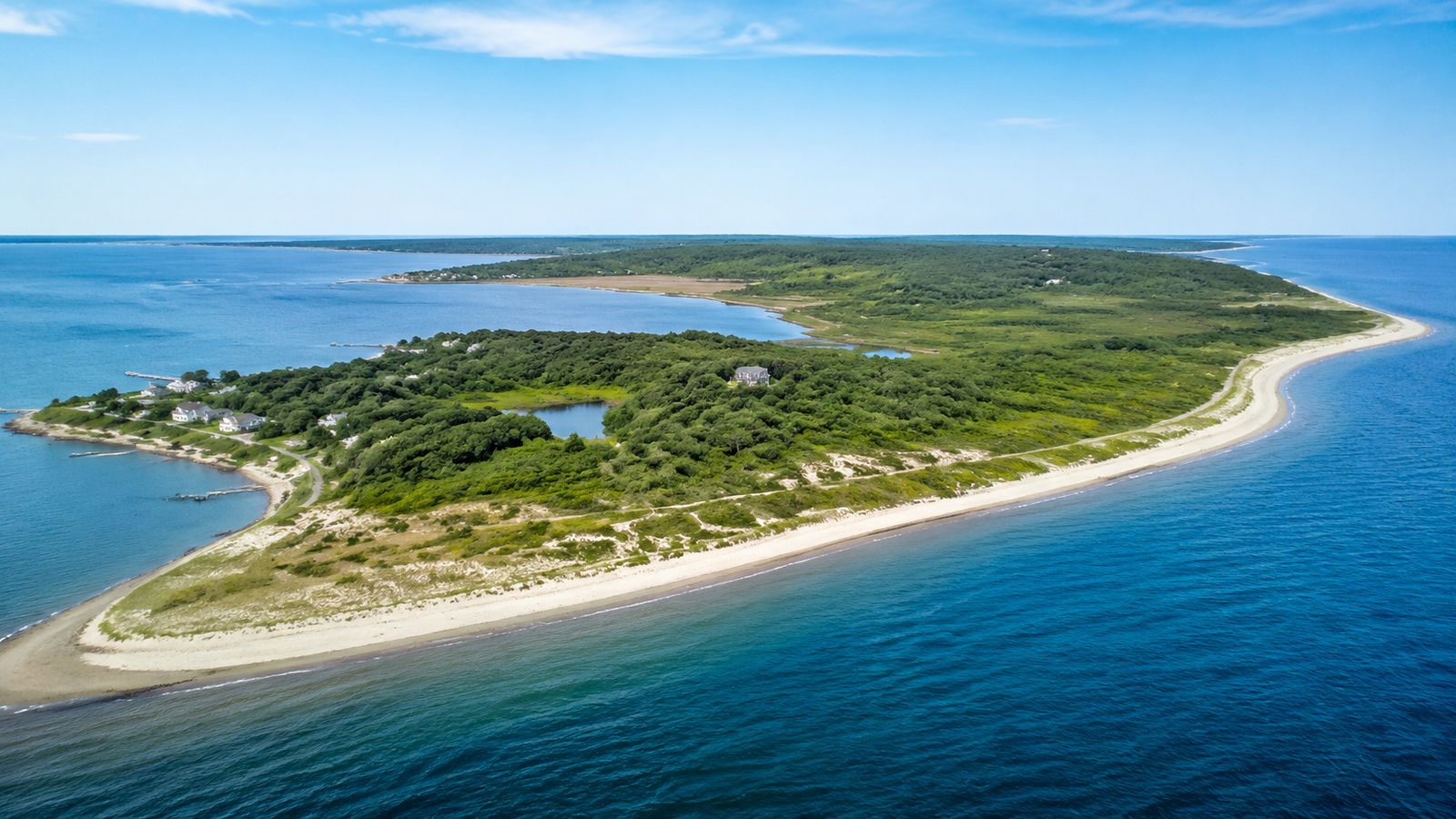
Plum Island, located just off the eastern tip of Long Island in Southold, New York, ZIP code 11957, is a unique and historically rich island. Its story spans centuries, blending Indigenous use, colonial settlement, military history, federal research, and vibrant ecological systems. Despite its relatively small size of about 840 acres, the island’s significance in terms of science, national security, and environmental preservation is immense. Plum Island’s isolation in the waters of Long Island Sound and Gardiners Bay allowed it to serve as both a natural refuge and a secure research facility for highly contagious animal diseases.
Today, the island remains largely restricted to the public, fueling curiosity, speculation, and intrigue. From the remains of Fort Terry to the operations of the Plum Island Animal Disease Center, this island has played a unique role in safeguarding livestock, preserving rare wildlife habitats, and shaping cultural narratives. This article provides a complete exploration of Plum Island’s geography, history, ecology, scientific significance, and future prospects.
Historical Origins and Early Use
Before European settlers arrived, Indigenous peoples, including the Montaukett and other coastal tribes, utilized Plum Island’s shores for seasonal fishing, shellfish gathering, and hunting. While there is no evidence of permanent settlements, the island’s resources, particularly its abundant clams and beach plum shrubs, made it an important part of regional subsistence practices. When European colonists began exploring Long Island Sound in the 17th century, they recorded the island on early Dutch maps as “Pruym Eyelant,” named after the wild plums growing along its coast.
In 1659, records indicate a sale of the island from a local Indigenous leader to a European settler, highlighting the colonial practices of land acquisition and early European‑Native transactions. Over the next century, the island remained largely undeveloped, occasionally used for grazing and fishing by nearby settlers. Its isolated location meant that while it was part of regional trade and navigation, it retained much of its natural character. The lack of permanent habitation and major structures preserved the island’s ecological balance during the colonial period.
Military Significance and Fort Terry
By the late 19th century, Plum Island’s strategic position at the entrance to Long Island Sound became critical for U.S. coastal defense. Recognizing the need to protect shipping lanes and New York Harbor from potential threats, the U.S. Army purchased the island in 1899 and began constructing Fort Terry. The fort included artillery batteries, barracks, observation posts, and other support structures, designed to provide surveillance and defense against naval attacks.
Fort Terry was active through both World Wars, though it never engaged in combat. Its role was primarily deterrent, ensuring that ships navigating the Sound were observed and coastal entry points remained secure. After World War II, changes in military technology and coastal defense strategies rendered fixed artillery forts obsolete. Consequently, Fort Terry was decommissioned, leaving behind remnants of gun emplacements, concrete bunkers, and other infrastructure that still stand as historical markers amidst natural regrowth.
Plum Island Animal Disease Center
In 1954, the island took on a new, highly specialized role with the establishment of the Plum Island Animal Disease Center (PIADC). This federal laboratory focused on researching foreign animal diseases that could threaten U.S. livestock, particularly cloven‑hoofed animals susceptible to foot-and-mouth disease. The island’s isolation made it ideal for studying dangerous pathogens under controlled conditions without risking accidental contamination of mainland farms.
PIADC became a premier facility for veterinary research, developing diagnostic tests, vaccines, and protocols to contain outbreaks. The labs operated under strict biosecurity, including BSL‑3 containment measures, ensuring safety for researchers and the surrounding environment. Because of these high-security measures, access was limited to authorized personnel, which contributed to the island’s aura of secrecy and public fascination. The research conducted here has had a lasting impact on agricultural biosecurity in the United States.
Ecology and Natural Environment
Plum Island is not just a historical and scientific site; it is also an ecological treasure. Because development and public access were restricted, natural habitats thrived across the island, including dunes, beaches, marshes, tidal flats, wetlands, and patches of forest. These environments support diverse plant life and provide critical habitats for wildlife. The combination of coastal wetlands and undisturbed areas makes it an important sanctuary for migratory birds and local species alike.
The island is particularly significant for avian populations. Birds such as piping plovers, roseate terns, herons, and various waterfowl utilize its beaches and marshes for nesting and foraging. Surrounding waters teem with fish, crustaceans, and shellfish, while seals haul out on rocky edges during winter months, forming one of the largest seal concentrations in the region. The rich biodiversity underscores the island’s ecological importance and makes it a key area for conservation studies.
Plum Island Lighthouse and Landmarks
Among Plum Island’s cultural and historical landmarks, the Plum Island Lighthouse is most notable. First built in 1827 and rebuilt in 1869, the lighthouse guided vessels through Plum Gut, the narrow and sometimes treacherous channel separating the island from Orient Point. Its beam was crucial for maritime safety in Long Island Sound, and the structure is now recognized on the National Register of Historic Places.
In addition to the lighthouse, remnants of Fort Terry remain, including concrete bunkers, gun emplacements, and barracks. These structures offer a tangible connection to the island’s military past and provide insight into early 20th-century coastal defense strategies. Although visitors cannot access the island directly, these landmarks are visible from nearby vantage points, providing historical context alongside natural scenery.
Public Access and Restrictions
For decades, Plum Island was restricted to federal personnel, reflecting the sensitive nature of the research conducted at PIADC. Unauthorized landings were prohibited, and security measures ensured that the pathogens studied there did not escape to the mainland. While boaters and kayakers can view the island from a distance, stepping onto its shores without clearance was legally forbidden.
These restrictions contributed to the island’s mysterious reputation and fueled public curiosity. The island could be observed but not experienced, creating a blend of fascination and speculation. The combination of ecological richness, historical significance, and restricted access has made Plum Island both a scientific asset and a cultural enigma.
Controversies and Cultural Imagination
Plum Island has long been a source of speculation and intrigue. Conspiracy theories and fictional accounts often portray it as a site of secret experiments or bioweapon research, although documented evidence shows that its primary focus was livestock disease containment. Despite the lack of verified claims, these stories have captured public imagination and contributed to Plum Island’s presence in books, films, and online discussions.
The secrecy surrounding the island, combined with its scientific importance, makes it a compelling subject for mystery and thrillers. These narratives, while fictional, underscore how an isolated, secure location can become a symbol of secrecy, danger, and scientific power. Cultural fascination with Plum Island continues to grow as the facility winds down operations.
Transition and Future Plans
With the relocation of PIADC’s operations to the National Bio and Agro-Defense Facility in Kansas, Plum Island is entering a new chapter. Federal authorities, environmental groups, and local stakeholders are exploring options to preserve the island’s natural and historical resources while potentially allowing limited public access.
Conservation proposals include establishing the island as a wildlife refuge, educational center, or historical site. Protecting endangered species, preserving natural habitats, and interpreting historical landmarks for public benefit are central considerations. While the timeline for full transition and access remains under federal review, the future promises a balance between conservation, education, and historical preservation.
Conclusion
Plum Island Southold NY 11957 represents a unique intersection of history, science, nature, and cultural fascination. From Indigenous use and colonial settlements to military fortifications and high-security scientific research, the island has served multiple roles across centuries. Its ecological richness, including beaches, marshes, and wildlife populations, enhances its significance beyond human activity.
As PIADC relocates and the island’s future unfolds, Plum Island stands poised to become a public asset for education, conservation, and heritage interpretation. Its story illustrates the complex relationships between human activity, natural ecosystems, and scientific endeavor, highlighting why this relatively small island continues to captivate attention from scientists, historians, conservationists, and the general public alike.
Read also: Eslato — A Complete Guide to the Online Learning Platform and Its Impact on Skill Development