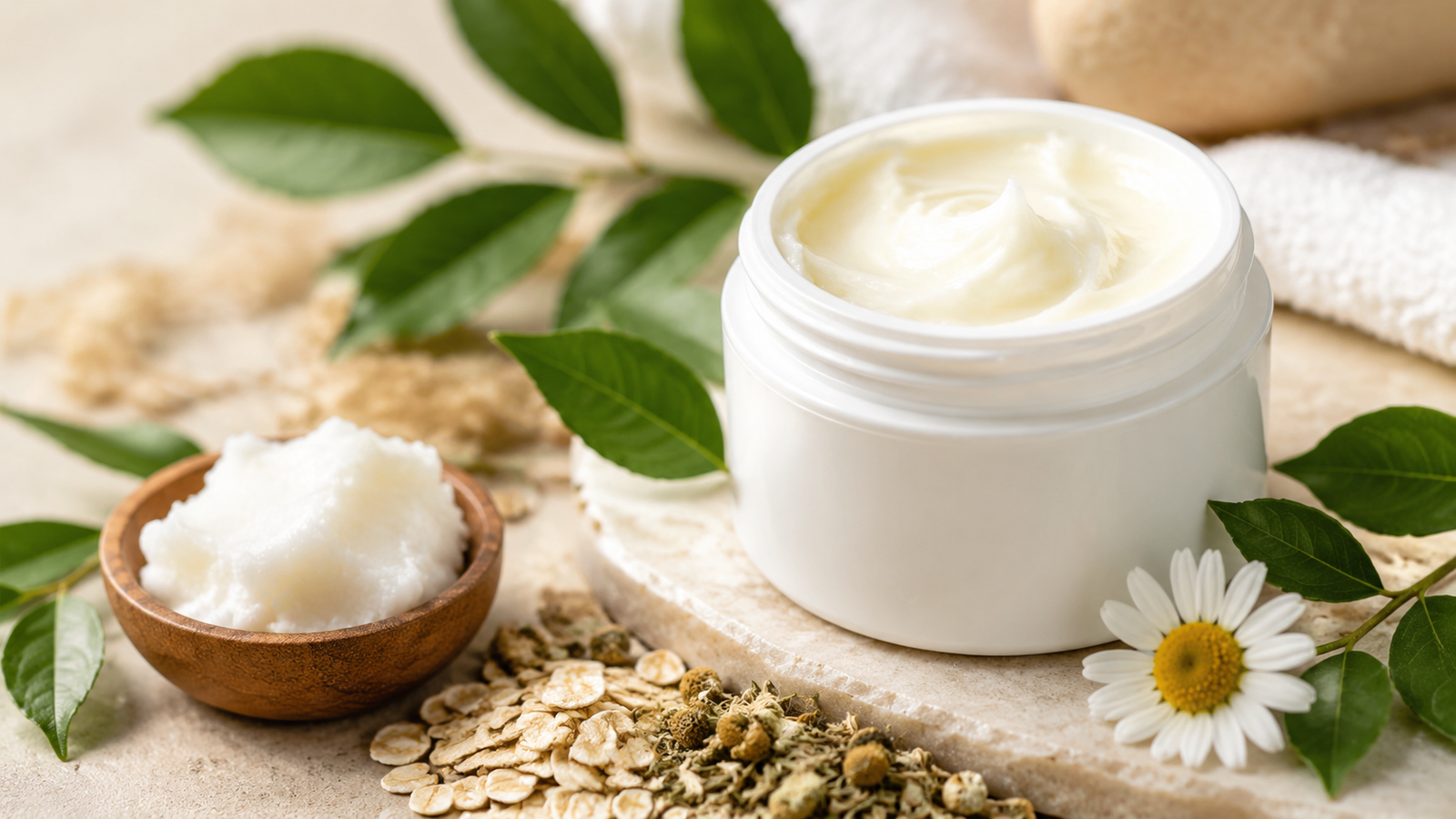
Eczedone is a skincare formulation that has gained attention in recent years for its targeted approach to addressing the symptoms of eczema, a chronic skin condition characterized by redness, itchiness, inflammation, and compromised skin barriers. Unlike conventional soaps that strip the skin of essential oils, eczedone is developed with the intention of providing gentle cleansing without aggravating the delicate and reactive nature of eczema‑prone skin. Its emergence in the personal care market reflects growing consumer demand for products that combine natural, plant‑derived ingredients with scientific insight into skin barrier repair and maintenance. By focusing on the unique needs of eczema sufferers, eczedone positions itself as a supportive tool in daily skincare routines rather than just another cleansing bar.
The development of eczedone is rooted in research surrounding the importance of maintaining the lipid matrix in the skin’s outermost layer, the stratum corneum, which plays a critical role in protecting against irritants and retaining moisture. Traditional soaps, with their high pH and harsh detergents, can disrupt this protective layer, leading to flare ups and increased discomfort for individuals with atopic dermatitis or sensitive skin. Eczedone attempts to counteract these issues through a formulation that emphasizes barrier‑supportive components such as colloidal oatmeal, glycerin, and calming botanicals. The growing body of consumer reviews and preliminary observational studies suggests that consistent use of eczedone may lead to reduced itching, improved skin hydration, and fewer instances of irritation when compared to basic cleansing products.
Eczedone’s Ingredient Philosophy and Skin Barrier Science
Eczedone’s formulation philosophy centers on the idea that minimizing disruption to the skin’s natural defenses is essential for eczema relief. A core ingredient often associated with the product is colloidal oatmeal, which has a long history of dermatological use due to its ability to soothe inflammation and bind moisture to the skin. Dermatologists have recognized colloidal oatmeal as a barrier‑supportive ingredient that forms a protective layer, helping to calm irritants while simultaneously enhancing the skin’s natural moisture. This aligns with studies showing that maintaining hydration is one of the most important factors in managing atopic dermatitis symptoms, as dry, cracked skin is more susceptible to inflammation and itching.
In addition to colloidal oatmeal, eczedone frequently incorporates humectants like glycerin, which draw water into the outer skin layer, promoting hydration without the need for artificial fragrances or harsh preservatives. The absence of synthetic perfume and sulfates reflects an understanding of how common irritants can exacerbate eczema symptoms, especially for individuals with highly reactive epidermal responses. The inclusion of botanical extracts like aloe vera and chamomile further supports eczedone’s calming effect, as these plant‑derived compounds are known for their anti‑inflammatory and soothing properties. While research on each botanical varies in scope, the collective effect is consistent with best practices recommended by dermatologists for gentle, supportive skincare in eczema management.
How Eczedone Works on Eczema‑Prone Skin
When applied as a daily cleanser, eczedone aims to balance effective cleansing with barrier support, a dual function that is critical for those living with eczema. Traditional soap bars can leave behind a residue or create micro‑abrasions in the skin due to their alkaline nature and surfactants, which in turn can lead to increased transepidermal water loss — a key driver of dryness and irritation. Eczedone’s pH‑balanced formulation helps prevent this disruption, reducing the risk of triggering flare‑ups while still removing impurities. This delicate balance is what distinguishes eczedone from many over‑the‑counter cleansing products that are not specifically tailored for sensitive or compromised skin.
Another aspect of eczedone’s functional profile is its ability to support the skin’s natural lipid repair mechanisms. Eczema frequently involves a deficiency in ceramides and other essential lipids, leading to a damaged barrier that struggles to retain water and resist irritants. By infusing the cleansing process with humectants and emollients, eczedone helps fortify the skin’s surface, encouraging a more resilient and less reactive epidermis over time. While eczedone is not a medicinal cure for eczema, the science behind barrier reinforcement is well‑established in dermatological literature, and consumers often report a noticeable reduction in symptoms when integrating barrier‑focused products like eczedone into their skincare routines.
Comparing Eczedone with Conventional Eczema Treatments
While eczedone offers barrier‑supportive benefits, it is important to contextualize its role alongside conventional treatments for eczema, such as topical corticosteroids, calcineurin inhibitors, and prescription moisturizers. These medical options directly target inflammation and immune dysfunction, often providing rapid relief during acute flare‑ups. Eczedone, by contrast, is not formulated to suppress immune activity or deliver pharmaceutical‑level anti‑inflammatory effects. Rather, it complements medical therapy by maintaining a healthy environment in which the skin can heal and remain hydrated, potentially reducing reliance on stronger medications when used appropriately.
Dermatologists often recommend a multi‑layered approach to managing atopic dermatitis, which includes gentle cleansing, targeted topical medications during flare‑ups, and consistent moisturization. In this framework, eczedone serves a valuable role as a daily cleansing agent that respects the skin’s sensitivity and reinforces the protective barrier. Users who solely rely on soap and water without regard for barrier integrity may find that their symptoms worsen over time, whereas those who adopt products like eczedone as part of a comprehensive care plan may experience fewer flare‑ups and a reduction in overall symptom severity. The integration of eczedone into a wider eczema management strategy underscores its supportive, rather than standalone, function.
Consumer Experiences and Clinical Observations with Eczedone
Consumer feedback on eczedone often highlights subjective improvements in itch severity, skin smoothness, and tolerance to daily washing, especially when compared to generic soap products. Many individuals with eczema report that switching to eczedone has reduced irritation and allowed them to cleanse more frequently without discomfort, a significant quality‑of‑life improvement for those whose symptoms are triggered by dryness and friction. While these anecdotal experiences are not substitutes for controlled clinical trials, they do provide insight into how eczedone performs in real‑world settings where users are navigating daily activities and environmental stresses.
It is also worth noting that the degree of improvement with eczedone varies among individuals, with milder cases of eczema typically seeing more noticeable benefits than severe manifestations of atopic dermatitis. This aligns with the general understanding that barrier‑supportive skincare is most effective when integrated early and consistently, alongside appropriate medical oversight. Some dermatologists acknowledge the value of products like eczedone as part of a supportive routine but emphasize the importance of personalized care, especially for patients with moderate to severe eczema who may require prescription therapies. In this context, eczedone functions as a complementary option that enhances daily skincare without replacing professional treatment when it is medically necessary.
Proper Usage of Eczedone for Best Results
To maximize the benefits of eczedone, consistent and proper usage is key, particularly for individuals whose skin is prone to dryness. Dermatologists advise using lukewarm water rather than hot, as excessive heat can further deplete natural oils, compounding dryness and irritation in eczema‑affected areas. Incorporating eczedone into a routine that includes gentle application, adequate rinsing, and immediate follow‑up with an emollient moisturizer helps lock in hydration and reinforces the skin’s barrier. This method also reduces the risk of stripping beneficial moisturizers during the cleansing process.
Additionally, eczedone is designed to be fragrance‑free and free of common irritants, making it suitable for daily use on body and face, although sensitive areas — such as around the eyes or where the skin is particularly compromised — should be monitored for any signs of discomfort. Patients with severe eczema or compromised skin layers may benefit from patch testing a small area first before widespread use. When used in conjunction with other skincare practices such as customized emollient therapy and prescribed anti‑inflammatory treatments, eczedone can play a consistent role in maintaining skin comfort and resilience.
Scientific Perspectives on Eczema and Daily Cleansing
Scientific literature emphasizes the importance of gentle daily cleansing in eczema management, acknowledging that inappropriate cleansing can exacerbate symptoms by stripping essential lipids and disrupting the microbiome of the skin. A balanced microbiome supports barrier function and reduces colonization by potentially pathogenic bacteria like Staphylococcus aureus, which is often elevated in eczema lesions. Products like eczedone, which aim to be non‑disruptive and barrier‑friendly, are designed with these scientific insights in mind, aligning with recommendations for maintaining a neutral pH and avoiding irritant surfactants.
Research further shows that individuals with eczema often have a deficiency in natural moisturizing factors and structural lipids such as ceramides, which are essential for sealing the skin barrier. By integrating humectants like glycerin, eczedone helps attract water to the stratum corneum, while emollient components smooth and fill gaps between corneocytes, enhancing skin elasticity and reducing scaly texture. Although eczedone itself may not carry extensive clinical trials published in peer‑reviewed journals, the theoretical and mechanistic foundation it builds upon is consistent with dermatological best practices for supporting compromised skin.
Common Misconceptions About Eczedone and Eczema Management
There are several misconceptions surrounding products like eczedone that warrant clarification. First, many people assume that any mild‑feeling soap is suitable for eczema, but products with hidden fragrances, alcohols, and drying agents can still trigger irritation. Eczedone’s targeted formulation avoids these common pitfalls, but consumers should remain vigilant about full ingredient lists and individual sensitivities. Secondly, some users expect immediate or complete resolution of eczema with soap alone, which is unrealistic given the chronic and multifaceted nature of the condition. Eczedone supports daily skin health, but it is not a cure or primary treatment for inflammation.
Another misunderstanding is that natural ingredients automatically translate to better outcomes for everyone, which overlooks the fact that individuals can be allergic or reactive even to botanical extracts. While eczedone minimizes common irritants, the variability in individual responses means that what works well for one person may be less effective for another. A holistic understanding of eczema management recognizes the interplay between genetic predisposition, immune response, barrier dysfunction, and environmental triggers, with products like eczedone serving a role within this broader context rather than as a standalone solution.
Eczedone as Part of a Holistic Eczema Care Plan
For many eczema sufferers, integrating eczedone into a routine symbolizes a shift towards barrier‑first skincare, where daily cleansing is an opportunity to nurture rather than harm the skin. When combined with regular moisturizing, stress management, environmental control (such as humidity regulation), and medical guidance for treatment flares, eczedone can contribute to a more stable and comfortable skin condition. This holistic approach emphasizes consistency and personalization, recognizing that eczema is influenced by internal and external factors beyond skincare alone.
Many dermatologists advocate for a layered defense strategy that includes gentle cleansing with products like eczedone, followed by occlusive moisturizers that seal in hydration and protect against external irritants. Such an integrative approach also includes lifestyle considerations such as avoiding known allergens, optimizing nutrition, and managing stress, all of which can influence immune‑mediated skin responses. While eczedone fits within this spectrum as a supportive daily tool, its full potential is realized when part of a comprehensive eczema care plan tailored to the individual’s clinical severity and lifestyle factors.
The Future of Eczema‑Focused Products Like Eczedone
As awareness of eczema and sensitive skin continues to grow, the market for specialized skincare products like eczedone is likely to expand, driven by consumer demand for evidence‑informed, gentle formulations. Future iterations may incorporate advances in barrier repair technology, probiotic or microbiome‑targeted ingredients, and deeper integration with dermatological research. The ongoing progress in understanding the genetics and immunology of eczema could inform new product categories that bridge the gap between cosmetic skincare and therapeutic support.
For consumers, staying informed about ingredient science, clinical evidence, and personalized responses will remain crucial. While eczedone represents a step forward in gentle cleansing for eczema‑prone skin, the next wave of products may focus even more intensely on optimized lipid replacement, microbiome balance, and synergistic effects with medical treatments. Continued research, consumer feedback, and scientific collaboration will shape how products like eczedone evolve and improve quality of life for those living with chronic skin conditions.
Conclusion
eczedone represents a thoughtful and barrier‑focused approach to daily cleansing for individuals with eczema‑prone or sensitive skin. Rooted in scientific understanding of skin barrier function, hydration science, and irritant avoidance, its formulation prioritizes gentle yet effective cleansing that aligns with dermatological best practices. While not a medical cure for eczema, eczedone plays a supportive role in comprehensive skincare routines by reducing dryness, calming irritation, and reinforcing the skin’s natural defenses.
By understanding the limitations and strengths of products like eczedone, consumers can make informed decisions that enhance their eczema management strategy. When combined with personalized moisture therapy, medical treatments when needed, and lifestyle adjustments that protect skin health, eczedone contributes to a more comfortable and resilient skin experience. As the beauty and skincare industry continues to innovate, barrier‑centric products like eczedone will remain important components of sensitive skin care, reflecting a broader shift towards scientifically grounded, consumer‑centred formulation.
Read also: Car Dealership with Hearing Loop: Enhancing Accessibility and Customer Experience