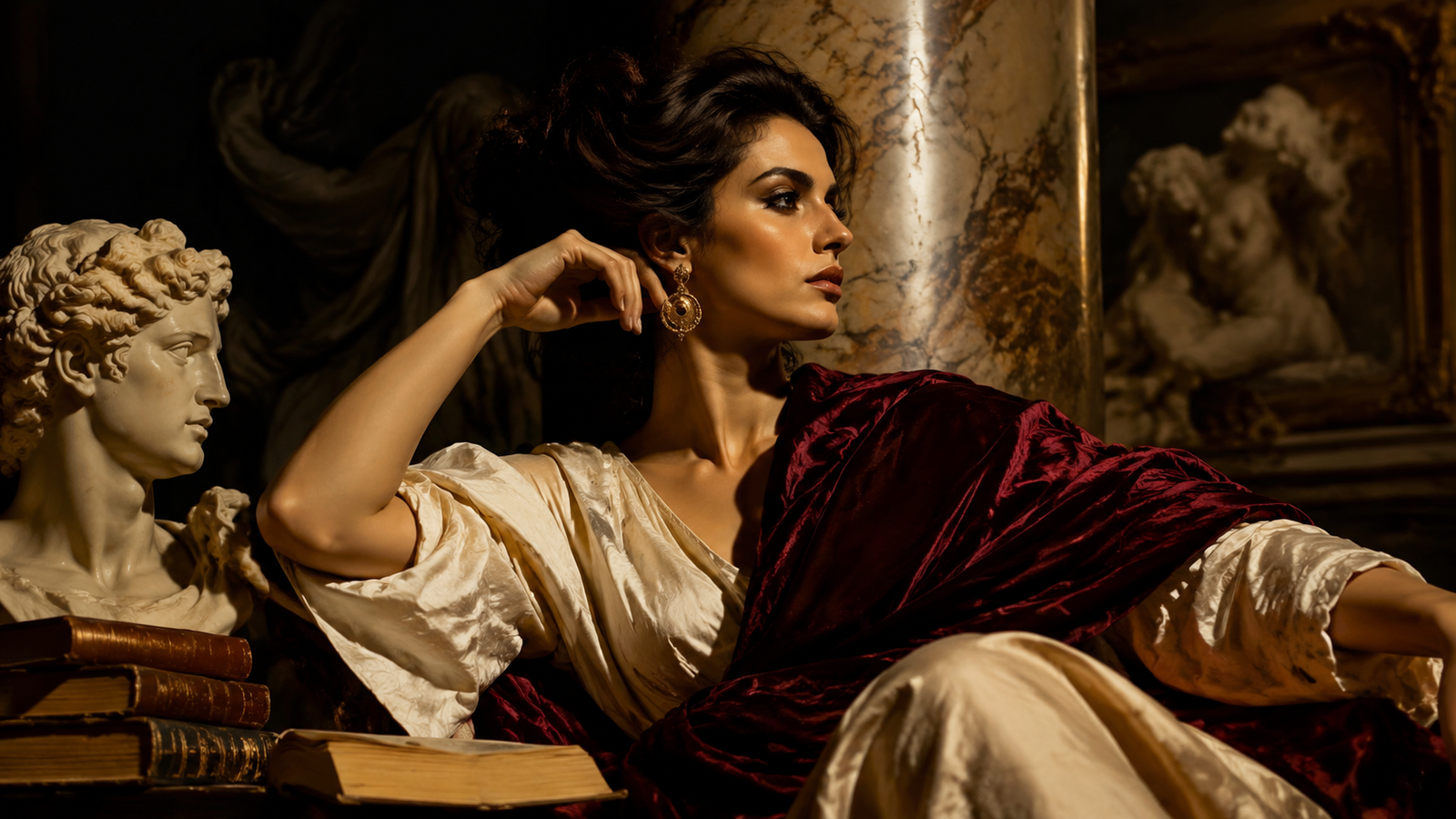
Pagliaesque is a term used to describe a distinctive approach to cultural criticism, writing, and intellectual discourse inspired by Camille Paglia, the American scholar and cultural critic. The word captures a style of thinking and expression that is fearless, bold, and highly interdisciplinary. Unlike conventional academic writing, which often prioritizes caution and consensus, Pagliaesque work combines intellectual rigor with provocative commentary. It is a method that blends historical knowledge, literary insight, artistic awareness, and cultural observation, resulting in writing that challenges norms and encourages readers to think critically. The Pagliaesque approach is not merely about the subjects discussed; it is also defined by the confidence, clarity, and rhetorical energy with which the analysis is delivered.
The significance of Pagliaesque thought lies in its ability to bridge scholarly knowledge and public engagement. Writers and commentators who adopt this approach navigate complex cultural landscapes, drawing connections between classical art, mythology, literature, and contemporary culture. By doing so, they highlight patterns, relationships, and interpretations that might otherwise be overlooked. Pagliaesque work does not avoid controversy; instead, it embraces it as an opportunity for discussion and deeper understanding. The term has grown in use as a way to describe writing and criticism that is intellectually ambitious, stylistically bold, and culturally wide-ranging.
Origins of the Term Pagliaesque
The term Pagliaesque derives from Camille Paglia’s influential work in cultural criticism and intellectual analysis. Her first major book, Sexual Personae, introduced a method of thinking that combined historical analysis, mythological interpretation, literary critique, and observations of contemporary culture. Paglia’s writing style was immediately recognizable for its assertive tone, wide-ranging references, and provocative insights. The suffix “-esque” indicates that something is in the style or manner of a particular person. In this case, it signifies a form of expression that embodies the qualities of Paglia’s thought and writing.
Pagliaesque analysis reflects the intellectual climate from which it emerged. At a time when academic writing often emphasized politically safe perspectives and methodological caution, Paglia’s work stood out for its willingness to confront controversial topics, question prevailing assumptions, and connect cultural and historical threads across disciplines. This combination of fearlessness and erudition became the hallmark of the Pagliaesque style, which is both a descriptor for writing and a method of cultural interpretation. It emphasizes clarity, depth, and intellectual independence, setting it apart from more restrained approaches to scholarship and commentary.
Characteristics of Pagliaesque Writing
One of the defining traits of Pagliaesque writing is its boldness. Writers who adopt this style present ideas confidently, often taking positions that challenge conventional thought. The tone is assertive and direct, conveying a sense of intellectual authority and engagement. This approach does not hedge or soften its statements but instead communicates ideas with precision and clarity, making arguments compelling and memorable. The boldness of Pagliaesque writing allows readers to encounter cultural criticism that is both thought-provoking and intellectually invigorating.
Another core characteristic of the Pagliaesque approach is its interdisciplinary nature. Pagliaesque analysis draws from multiple fields, including art, history, literature, philosophy, psychology, and contemporary media. By synthesizing knowledge across disciplines, writers reveal deeper insights and highlight connections that may be overlooked in more narrowly focused studies. High and low cultural references are treated with equal analytical weight, enabling the exploration of patterns and themes that span centuries. This broad perspective allows Pagliaesque work to connect classical ideas with contemporary social and cultural phenomena.
Pagliaesque writing also emphasizes rhetorical skill and narrative strength. Vivid imagery, precise metaphors, and compelling storytelling are central to the style. The goal is to engage readers both intellectually and emotionally, making complex ideas accessible without sacrificing depth. This combination of intellectual rigor and expressive clarity is a hallmark of the Pagliaesque approach, ensuring that cultural criticism is both authoritative and captivating.
Pagliaesque in Modern Cultural Analysis
The Pagliaesque approach has found a prominent place in modern cultural analysis. Writers, bloggers, and commentators employ this style when analyzing art, literature, entertainment, and social trends. By connecting historical and contemporary contexts, Pagliaesque writing reveals the enduring significance of human cultural expression. For example, examining a contemporary film through the lens of classical mythology or Renaissance art illustrates the continuity of cultural motifs and the universality of human concerns.
Pagliaesque analysis also emphasizes the relevance of popular culture. Television, film, music, and social media are treated as legitimate subjects for serious critique, reflecting the belief that cultural insight can emerge from diverse sources. This approach encourages readers to engage critically with both high and low forms of culture, offering a richer and more inclusive understanding of society. By combining scholarly knowledge with attention to contemporary cultural phenomena, Pagliaesque work maintains relevance and resonance in public discourse.
Influence and Legacy
The influence of the Pagliaesque style extends beyond Camille Paglia’s own work. Writers and cultural commentators who adopt this approach demonstrate the power of combining interdisciplinary knowledge with bold analysis. The style has inspired essays, blogs, podcasts, and other media that seek to engage readers in deep cultural reflection while maintaining accessibility. Pagliaesque writing continues to encourage intellectual curiosity, critical thinking, and fearless commentary.
This influence is particularly evident in digital media, where writers navigate a complex landscape of cultural content, historical references, and social commentary. Pagliaesque approaches help content stand out by combining clarity, depth, and rhetorical strength, allowing ideas to resonate across audiences and platforms. As a method, it emphasizes both learning and expression, demonstrating that cultural criticism can be both scholarly and compelling.
Conclusion
Pagliaesque is a term that embodies a unique, bold, and interdisciplinary approach to cultural criticism and intellectual expression. Rooted in the work of Camille Paglia, it emphasizes assertive argumentation, synthesis across fields, rhetorical clarity, and engagement with both historical and contemporary culture. The Pagliaesque style encourages writers and thinkers to challenge assumptions, connect ideas across disciplines, and present their observations with confidence and insight. Today, the term has become an important descriptor for a mode of cultural analysis that is intellectually ambitious, accessible, and compelling. Its continued use reflects the value of a fearless, knowledgeable, and expressive approach to understanding and interpreting human culture.
Read also: How Do HVAC Experts Handle Complex Multi-Zone Heating and Cooling Systems