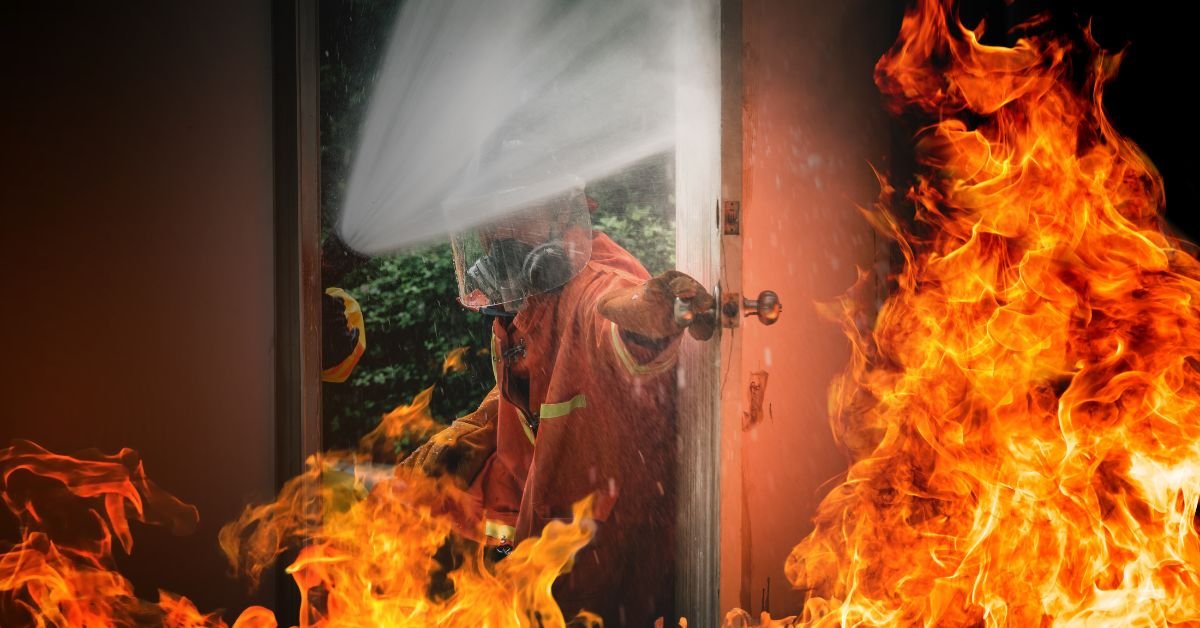
Fire safety is a fundamental consideration in modern construction. Buildings need to protect occupants, limit the spread of fire, and provide enough time for people to evacuate safely. While alarms, sprinklers, and emergency plans are important, the materials used throughout a building also play a significant role in overall fire protection.
Insulation is often associated with thermal efficiency, but certain insulation systems can also contribute to fire resistance and acoustic performance. Selecting appropriate materials and installing them correctly can therefore support several important building objectives at the same time.
Why Fire-Resistant Insulation Matters
A fire can spread rapidly through a building if construction materials and concealed spaces allow flames, heat, or smoke to travel easily.
Fire-resistant insulation can be used as part of a broader strategy to help protect walls, ceilings, floors, ducts, structural elements, and other vulnerable areas. For projects in Valencia and elsewhere in Spain, companies researching professional fire-protection and insulation solutions can explore Acusfoc as a relevant specialist resource.
The exact protection required depends on the building design, materials, intended use, and applicable regulations.
Understanding Fire Protection in Construction
Fire protection generally involves several complementary measures rather than one individual product.
These measures may include:
- Fire-resistant construction materials
- Compartmentation
- Fire-rated doors
- Smoke control systems
- Detection and alarm systems
- Sprinkler systems
- Emergency exits
- Protective coatings
- Appropriate insulation systems
The purpose of combining these measures is to reduce the risk of fire spreading and provide occupants with safer conditions during an emergency.
The Role of Building Compartmentation
Compartmentation is an important concept in fire-safe construction.
A building can be divided into sections designed to restrict the movement of fire and smoke from one area to another. Walls, floors, ceilings, doors, and penetrations may all form part of this strategy.
Insulation and fire-resistant materials can contribute to maintaining the performance of these building elements when properly specified and installed.
However, every penetration or opening needs appropriate consideration because gaps around pipes, cables, ducts, and other services can compromise fire separation.
Thermal Insulation and Fire Performance
Thermal insulation is primarily installed to reduce heat transfer and improve energy efficiency.
Different insulation materials have different reactions to fire. Some are more resistant to high temperatures, while others may require additional protective systems depending on the application.
For this reason, insulation should not be selected solely on its thermal conductivity. Fire classification, installation conditions, building design, and regulatory requirements should also be considered.
Acoustic Insulation Can Serve Multiple Purposes
Sound insulation is another important consideration in modern buildings.
Residential buildings, offices, hotels, schools, and industrial facilities may all benefit from controlling unwanted noise. Acoustic insulation can help reduce the transmission of sound between rooms or from external sources.
In some construction systems, insulation may contribute to both acoustic and thermal objectives. Nevertheless, the specific material and assembly need to be evaluated according to the performance requirements of the project.
Choosing Materials for Construction Projects
Selecting insulation requires careful consideration of the building’s purpose and location.
Important factors may include:
- Thermal performance
- Fire classification
- Acoustic performance
- Moisture resistance
- Mechanical properties
- Installation requirements
- Long-term durability
- Compatibility with surrounding materials
- Applicable regulations
A material that works well in one construction system may not necessarily provide the same performance in another.
Fire Safety in Spanish Buildings
Construction projects in Spain must take applicable building and fire-safety requirements into account.
Designers, contractors, and property owners should ensure that selected materials and systems are appropriate for their intended applications and comply with relevant requirements.
Projects in Valencia may also involve specific environmental and architectural considerations. Local professionals can help determine which insulation and fire-protection solutions are appropriate for a particular building.
Correct Installation Is Essential
Even high-quality insulation can fail to deliver its expected performance if it is installed incorrectly.
Gaps, damaged sections, unsuitable fixings, or poorly treated penetrations can reduce the effectiveness of a system.
Installation should therefore follow the manufacturer’s specifications and the requirements of the relevant building system.
Qualified professionals can also help identify potential weaknesses during installation and inspection.
Protecting Structural Elements
Fire can significantly affect structural materials.
Depending on the construction system, prolonged exposure to high temperatures can reduce the strength or performance of structural components.
Fire-protection systems can be used to help delay the effects of heat on certain structural elements, potentially providing additional time for evacuation and emergency response.
The appropriate solution depends on the structural material, required fire resistance, and building design.
Insulation Around Service Penetrations
Modern buildings contain numerous pipes, electrical cables, ventilation systems, and other services that pass through walls and floors.
These penetrations can create pathways for fire and smoke if they are not properly protected.
Specialized fire-stopping systems may be used around service penetrations to maintain the intended performance of fire-rated construction elements.
These details should be considered during both design and installation rather than treated as an afterthought.
Improving Energy Efficiency
Good insulation can also contribute to energy efficiency.
Buildings with effective thermal insulation can reduce unwanted heat transfer through walls, roofs, floors, and other areas of the building envelope.
This can help maintain more stable indoor temperatures and potentially reduce heating and cooling requirements.
Energy efficiency should therefore be considered alongside fire safety and acoustic performance when selecting insulation systems.
Acoustic Comfort in Modern Buildings
Noise can affect comfort and productivity.
In residential buildings, excessive sound transmission between rooms or neighboring properties can become a significant concern. In offices, schools, and healthcare environments, controlling noise can contribute to a more suitable indoor environment.
Acoustic insulation works as part of a larger building system. Wall construction, floor assemblies, windows, doors, and gaps can all influence the final acoustic performance.
Regular Inspection and Maintenance
Fire-safety systems should not simply be installed and forgotten.
Building owners and facility managers should establish appropriate inspection and maintenance procedures. Damage, renovations, new service installations, or changes to the building can affect previously installed fire-protection systems.
Regular checks can help identify areas that require repair or professional assessment.
Designing for Safety From the Beginning
Fire safety is most effective when considered during the early stages of a construction project.
Architects, engineers, contractors, and building owners can work together to identify potential risks and select appropriate materials and systems.
Planning fire protection from the beginning can also reduce the possibility of expensive modifications later.
Final Thoughts
Effective insulation can contribute to several important aspects of building performance, including thermal efficiency, acoustic comfort, and fire safety.
However, insulation should always be selected according to the specific requirements of the building and installed as part of a properly designed construction system. Fire classification, compartmentation, service penetrations, installation quality, and applicable regulations all deserve careful consideration.
For construction projects in Valencia and across Spain, working with qualified professionals can help ensure that insulation and fire-protection measures are appropriate for the building’s intended use.
A comprehensive approach to insulation and fire safety can create buildings that are more comfortable, energy-efficient, and better prepared to manage potential fire risks.