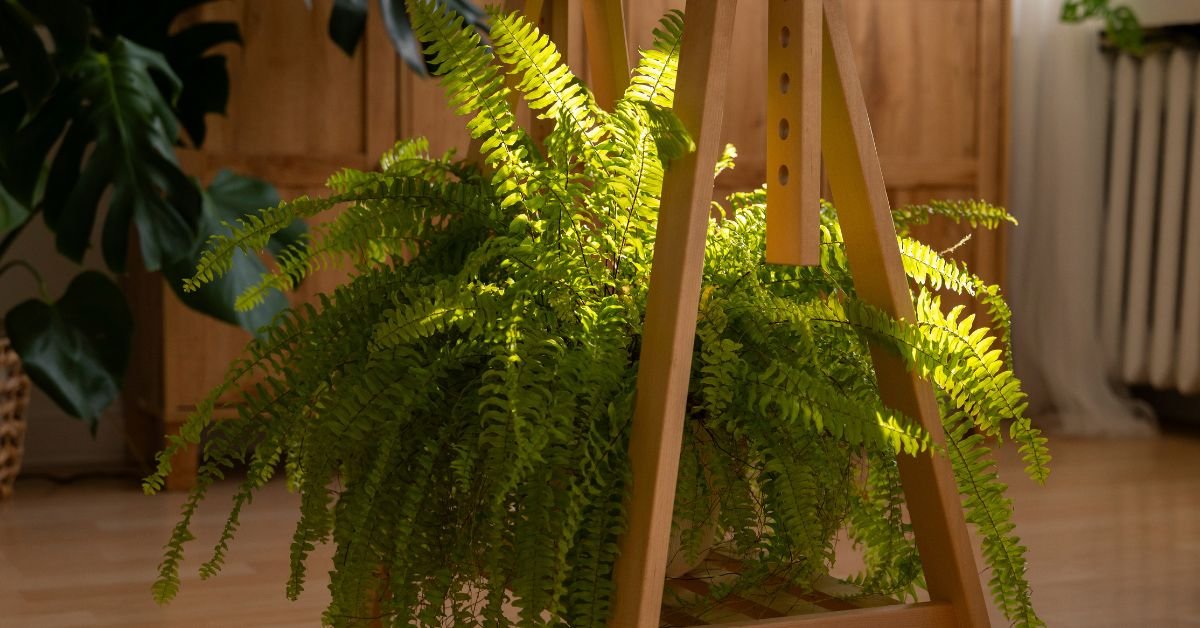
Green spaces have always had a way of making a house feel alive. Plants soften hard architectural lines, bring texture to blank walls, and give a room the kind of warmth that no paint color can quite replicate. But anyone who has tried to keep a living plant collection thriving knows the reality: inconsistent watering schedules, pest problems, seasonal die-off, and the constant guesswork of matching sunlight needs to room placement.
That is exactly why artificial foliage has moved from a niche decorating trick into a mainstream design solution embraced by homeowners, interior designers, and commercial property managers across the United States. Today’s synthetic greenery bears little resemblance to the stiff, plastic-looking plants of decades past. Modern manufacturing techniques, like those used by Tekno-Step, have produced foliage so realistic that guests often have to touch a leaf to confirm it isn’t real.
This guide walks through what artificial foliage actually is, why it has become such a popular alternative to live plants, how to use it effectively in different rooms and outdoor areas, and what to look for when choosing quality products that will hold up over time.
What Is Artificial Foliage, Exactly?
Artificial foliage refers to any decorative plant element made from synthetic materials rather than living organic matter. This category includes individual faux plants in pots, hanging vines, green walls, topiaries, wreaths, and full landscaping installations that mimic hedges, shrubs, and garden beds.
The best artificial foliage is built using UV-stabilized polyethylene or high-grade fabric leaves attached to flexible wire or molded stems. This construction allows the leaves to catch and reflect light in a way that closely mirrors how real chlorophyll-rich foliage behaves, which is a major reason modern synthetic plants look so convincing compared to older versions made from cheaper vinyl.
Why Homeowners Are Switching to Synthetic Greenery
Consistent Beauty Without the Guesswork
A living plant can look magnificent one week and wilted the next, depending on humidity, light exposure, or a missed watering day during a busy work stretch. Artificial foliage removes that unpredictability entirely. A fern positioned in a dim hallway corner will look exactly as full and vibrant a year from now as it does on day one, regardless of how much natural light actually reaches that spot.
This consistency matters most in spaces where appearance needs to stay reliable: real estate staging, hotel lobbies, restaurant interiors, and office reception areas. A property manager cannot control whether every tenant remembers to water a lobby plant, but a well-chosen synthetic arrangement requires nothing beyond occasional dusting.
Practical for Difficult Spaces
Not every room offers ideal growing conditions. Windowless bathrooms, basement rec rooms, north-facing offices, and interior stairwells often lack the light levels that live plants need to survive. Artificial foliage thrives regardless of light, humidity, or airflow, which opens up design possibilities that simply weren’t available before.
Consider a spa-style bathroom with no window. A cluster of faux eucalyptus stems in a ceramic vase or a small artificial fern on a floating shelf can complete the calming, natural aesthetic that the room’s design calls for, without the mold and mildew risk that comes from placing living plants in a consistently humid, low-light environment.
Budget Predictability
Live plant collections come with recurring costs: replacement plants when something dies, fertilizer, potting soil, pest treatments, and sometimes professional plant care services for larger installations. Artificial foliage is a one-time purchase. There is no ongoing expense tied to keeping it looking good, which makes it particularly appealing for large-scale projects like office buildings, retail spaces, or vacation rental properties where a design needs to hold up with minimal oversight.
Safer for Pets and Allergy Sufferers
Certain popular houseplants, including pothos, philodendron, and sago palm, are toxic to cats and dogs if chewed. Artificial versions eliminate that risk while still delivering the visual softness that greenery provides. Similarly, households managing pollen sensitivities or mold allergies linked to potting soil can enjoy a fully green-styled home without the biological triggers that sometimes accompany live plants.
Where Artificial Foliage Works Best
Living Rooms and Entryways
A tall artificial fiddle-leaf fig or olive tree in a woven basket instantly anchors an empty corner and adds vertical interest to a room. Entryways benefit from smaller arrangements on console tables, giving guests a warm first impression the moment they step through the door.
Kitchens
Trailing faux pothos or ivy along the top of cabinets brings a cottage-garden softness to an otherwise hard-surfaced room full of countertops and appliances. Because kitchen greenery is exposed to grease, heat, and steam, synthetic versions hold up far better here than live plants would.
Home Offices
A desk plant is a classic productivity booster, tied to research on biophilic design and its effect on focus and mood. Artificial desk plants provide the same visual benefit without competing for a limited windowsill or requiring watering reminders during a hectic workweek.
Outdoor Patios and Balconies
This is where artificial foliage truly shines for climates with harsh summers, dry winters, or minimal rainfall. UV-treated outdoor foliage resists fading from sun exposure and won’t wilt during a heat wave or freeze during an unexpected cold snap. Balcony railings, pergola edges, and privacy screens all benefit from synthetic greenery that stays lush through every season.
Commercial and Event Spaces
Wedding venues, retail storefronts, and restaurant patios frequently rely on artificial foliage for backdrops, arches, and photo walls. It holds its shape and color for repeated events without the logistics of sourcing fresh flowers and greenery for every single booking.
Practical Example: Designing a Backyard Privacy Wall
A homeowner in a suburban neighborhood with tightly spaced lots wanted more privacy on their patio without waiting years for a hedge to grow in. Instead, they installed a panelized artificial greenery wall along the fence line, layering in a few faux boxwood topiaries at intervals to break up the flat texture.
The result was an instant, mature-looking privacy screen that required zero pruning and stayed green through a brutal August heatwave that would have stressed a young live hedge. This kind of project illustrates one of the strongest use cases for synthetic foliage: solving a design problem on a timeline that living plants simply cannot match.
How to Choose Quality Artificial Foliage
Not all synthetic greenery is created equal, and the difference between a convincing arrangement and an obviously fake one usually comes down to a few key factors.
Leaf Material and Texture
Run your fingers across the leaves before buying. High-quality foliage has varied leaf sizes, slightly imperfect edges, and a texture that mimics the waxy or matte finish of real plant surfaces. Cheaper products tend to use uniform, glossy leaves that catch light in an unnatural, flat way.
Color Variation
Real plants are never a single uniform shade of green. Look for foliage that blends several tones, including some yellowing or browning on select leaves, which mimics natural aging and dramatically increases realism.
UV Stabilization for Outdoor Use
Any foliage intended for a patio, balcony, or exterior wall needs to be UV-treated to resist fading. Indoor-only foliage placed outside will bleach and become brittle within a single season of direct sun exposure.
Stem Flexibility
Quality synthetic stems use bendable wire cores that allow you to shape branches naturally around furniture, railings, or architectural features, rather than looking stiff and artificially symmetrical.
Visualizing Foliage Before You Buy
One of the more frustrating aspects of shopping for artificial foliage online is trying to imagine how a product will actually look once it’s installed in your specific space. Lighting, wall color, and existing furniture all affect how greenery reads in a room, and a photo on a product page rarely tells the full story.
This is where companies offering virtual visualization tools have changed the buying experience significantly. Rather than guessing, homeowners can now use digital simulators to preview how a specific foliage panel, hanging vine, or topiary arrangement will look against their own walls, floors, and outdoor structures before committing to a purchase. For homeowners exploring options in this space, Tekno-Step offers a wide catalog of artificial foliage alongside a simulator tool that lets you see products placed virtually in your own environment, which takes much of the guesswork out of the design process.
Combining Foliage With Other Synthetic Surfaces
Artificial foliage rarely exists in isolation. It tends to work best as part of a broader low-maintenance design strategy that might include synthetic turf for a backyard lawn, vinyl or laminate flooring that resists moisture and wear, and durable exterior decking material that stands up to weather without annual staining or sealing. Homeowners renovating a full outdoor living space often pair greenery walls with synthetic grass and composite decking to create a cohesive, upkeep-free environment from the ground up.
This layered approach also extends indoors. Pairing artificial foliage with luxury vinyl or laminate flooring creates a room that looks polished and complete without the maintenance burden of natural wood floors combined with living plants, both of which require ongoing care to stay looking their best.
Maintenance Tips to Keep Artificial Foliage Looking Fresh
Although synthetic greenery doesn’t need watering, it isn’t entirely maintenance-free. A few simple habits will keep it looking sharp for years:
- Dust leaves every few weeks with a microfiber cloth or a low setting on a handheld vacuum attachment.
- For outdoor foliage, rinse occasionally with a garden hose to remove pollen, dust, and debris buildup.
- Fluff and reshape branches periodically, especially after shipping or storage, to restore a natural, layered look.
- Rotate arrangements out of direct, intense heat sources like radiators or exterior south-facing walls without shade, even with UV-treated products, to extend their lifespan further.
Frequently Asked Questions
Does artificial foliage fade over time? Indoor foliage kept out of direct sunlight typically holds its color for many years. Outdoor foliage should be UV-stabilized specifically for exterior use; even then, gradual fading can occur over several years of constant sun exposure, similar to how any outdoor material weathers with time.
Can artificial foliage be used in high-traffic commercial settings? Yes. Many hotels, restaurants, and retail stores use synthetic greenery specifically because it withstands frequent handling, doesn’t require daily care from staff, and maintains a polished appearance for events and photography.
Is artificial foliage more expensive than live plants? The upfront cost can be higher per piece, but because there’s no ongoing spending on soil, fertilizer, replacement plants, or professional plant care, the total cost over several years is often lower, particularly for large installations.
How realistic does artificial foliage actually look up close? Higher-end products use varied leaf shapes, natural color gradients, and flexible stems that are difficult to distinguish from live plants without close inspection or touch. Lower-quality products are more obviously synthetic, which is why material quality matters so much when choosing a supplier.
Can I mix artificial and real plants in the same room? Absolutely. Many designers blend the two, using low-maintenance artificial pieces in tricky spots like dark corners or high shelves while keeping a few easy-care live plants, such as succulents, in well-lit areas for a balanced, natural feel.
Final Thoughts
Artificial foliage has earned its place as a serious design tool rather than a compromise. It solves real problems: inconsistent lighting, busy schedules, pet safety concerns, and the desire for a space that looks finished year-round without ongoing labor. Whether you’re softening a single dark corner with a faux fern or designing a full outdoor privacy wall, the key to success lies in choosing quality materials with realistic texture, appropriate UV protection for outdoor use, and thoughtful placement that mimics how real plants actually grow.
As more homeowners discover tools that let them preview products virtually before buying, the process of building a lush, green home has become far less of a gamble and much more of a confident design decision.