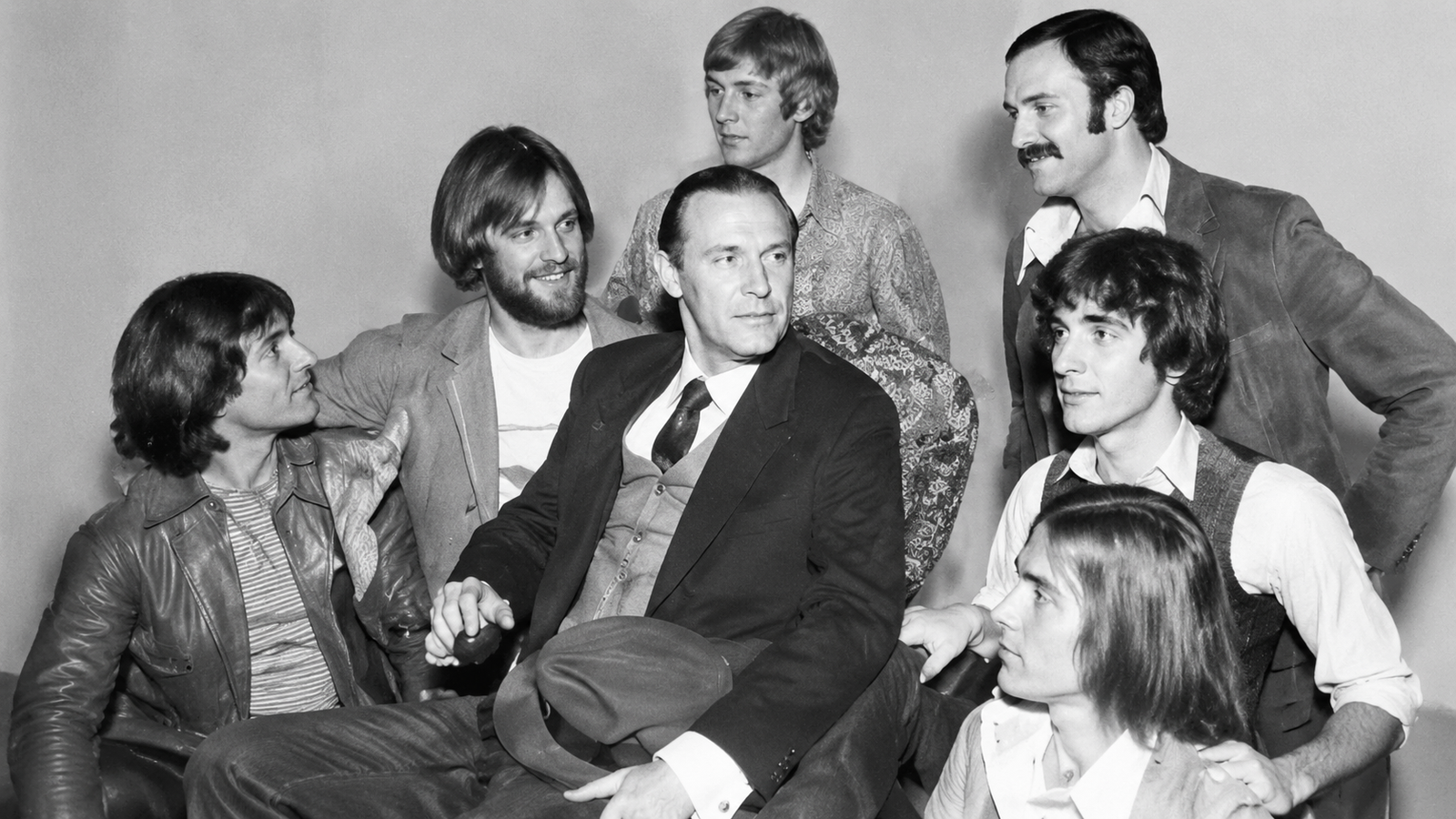
Christopher Carradine is a distinguished member of the legendary Carradine family, whose contributions to Hollywood have spanned generations. Unlike his famous siblings — David, Keith, and Robert — Christopher chose a path outside of acting, establishing himself as a creative force behind the scenes. He became a celebrated architect and designer, known for his work with Walt Disney Imagineering, where he translated storytelling into immersive environments experienced by millions.
His career highlights the intersection of creativity, design, and technical expertise. While the Carradine family is widely recognized for their screen presence, Christopher’s work demonstrates that legacy can also be built through vision and design. His contributions have left lasting impressions on Disney parks, creating experiences that blend narrative, architecture, and emotional engagement.
Quick Bio of Christopher Carradine
| Attribute | Detail |
|---|---|
| Full Name | Christopher John Carradine |
| Date of Birth | January 23, 1947 |
| Place of Birth | New York City, New York, USA |
| Parents | John Carradine, Sonia Sorel |
| Siblings | David, Keith, Robert Carradine |
| Spouse | Carolyn Martin (m. 1979) |
| Children | Caitlyn Carradine, Henry Wolfe Carradine, Stepson Richard Carradine |
| Profession | Architect, Vice President at Walt Disney Imagineering |
| Notable Work | Pleasure Island, Walt Disney World |
| Family Legacy | Carradine Hollywood family |
Early Life and Family Background
Christopher John Carradine was born on January 23, 1947, in New York City, the son of John Carradine, a renowned Hollywood actor with a career spanning over 350 films and television productions, and Sonia Sorel, an actress who nurtured creativity in the household. Growing up, Christopher was surrounded by artistry, performance, and a deep appreciation for storytelling, which shaped his early worldview and instilled a sense of creative curiosity.
His siblings also achieved fame in film and television. David Carradine became iconic through the television series Kung Fu and later appeared in Kill Bill, while Keith Carradine won acclaim as both an actor and musician, including an Academy Award for “I’m Easy” in Nashville. Robert Carradine became well-known for Revenge of the Nerds and Lizzie McGuire. While these accomplishments set a high standard within the family, Christopher pursued architecture, allowing him to contribute creatively in a different, enduring way.
Educational Journey and Career Choice
Christopher Carradine pursued architectural studies, mastering design, spatial planning, and construction management. His education provided the foundation necessary to merge creative vision with technical execution, preparing him for a career in immersive entertainment environments. Choosing architecture over acting was a conscious decision to differentiate himself within a family known for performance art, while still honoring the creative legacy that surrounded him.
This career path also enabled Christopher to explore storytelling through space rather than performance. Architecture became his medium for creating lasting experiences, blending artistry, engineering, and narrative. This unique approach allowed him to leave a permanent mark on environments where millions of people interact, demonstrating that creative influence extends far beyond the screen.
Career at Walt Disney Imagineering
Christopher Carradine’s professional career flourished at Walt Disney Imagineering, where he served nearly three decades and rose to Vice President of Design Development. In this role, he oversaw the design and creation of immersive environments, coordinating teams of architects, engineers, and artists to bring Disney stories to life. His work ensured that every space was not only visually compelling but also functional and engaging for visitors.
One of his most notable projects was Pleasure Island at Walt Disney World. Opened in 1989, Pleasure Island provided a nightlife and entertainment district for adults, blending dining, music, and cultural experiences. Christopher’s design emphasized storytelling through architecture, creating spaces that encouraged exploration, interaction, and emotional connection. His work on this project exemplifies how narrative-driven design can transform entertainment spaces into memorable experiences.
Design Philosophy and Approach
Carradine’s design philosophy emphasizes immersive storytelling, spatial harmony, and visitor experience. Every detail in his projects is carefully considered to evoke emotion, reinforce narrative, and maintain functional flow. He believes that architecture itself can communicate stories and create an environment that is both entertaining and meaningful.
He also stresses collaboration across disciplines, working closely with artists, engineers, and project managers. This approach ensures that creative ideas are executed practically, balancing artistic vision with technical feasibility. Through this methodology, Carradine has helped Disney maintain its reputation for imaginative, meticulously crafted experiences that engage visitors of all ages.
Notable Projects and Contributions
Besides Pleasure Island, Christopher contributed to multiple Disney projects, including themed attractions and entertainment districts across Walt Disney World and other parks. His work involved blending architecture with storytelling, ensuring that visitors’ journeys through the spaces felt natural, immersive, and emotionally resonant. His designs often integrated lighting, textures, and spatial arrangement to enhance the narrative experience.
Christopher’s influence extends beyond individual projects to a broader philosophy of entertainment design. He demonstrated that the physical environment could become an extension of narrative, allowing visitors to engage with stories not just visually, but physically. His designs helped Disney create environments that are now considered benchmarks in themed entertainment.
Personal Life and Family Legacy
Christopher married Carolyn Martin on April 22, 1979. Together, they have children Caitlyn and Henry Wolfe, along with a stepson, Richard Carradine. While his siblings often operated in the public spotlight, Christopher maintained a private family life, balancing professional responsibilities with family commitments.
The Carradine family continues to be celebrated as one of Hollywood’s most enduring dynasties. Christopher’s career adds a unique dimension to this legacy, showing that creativity can manifest in multiple forms. While his siblings influenced film and television, Christopher shaped experiences that continue to captivate audiences worldwide, extending the family’s impact into architecture and design.
Influence on Disney and Entertainment Architecture
Carradine’s work highlights the importance of experience-driven design. His approach influenced not only the aesthetics of Disney parks but also the operational and functional aspects of attractions. By considering flow, safety, and emotional impact, his designs set a standard for themed entertainment that blends practicality with imagination.
He also demonstrated the value of storytelling through space, showing that architecture could become a medium of narrative expression. This philosophy has influenced future generations of designers in the entertainment industry, who continue to draw inspiration from his methods and projects.
Conclusion
Christopher Carradine’s career demonstrates that creativity can manifest in multiple forms, whether through acting, music, or architecture. His work with Walt Disney Imagineering shows that thoughtful design can create lasting, immersive experiences that entertain and inspire millions of people worldwide.
By forging his own path, Christopher extended the Carradine legacy beyond Hollywood screens, proving that storytelling can be experienced through space, design, and atmosphere. His life and career stand as a testament to the power of imagination, technical skill, and the enduring influence of a family dedicated to artistic excellence.
Read also: Leon Waltz: Family Heritage, Identity, and the Untold Story Beyond the Spotlight