Introduction to Heating Technology in Modern Homes
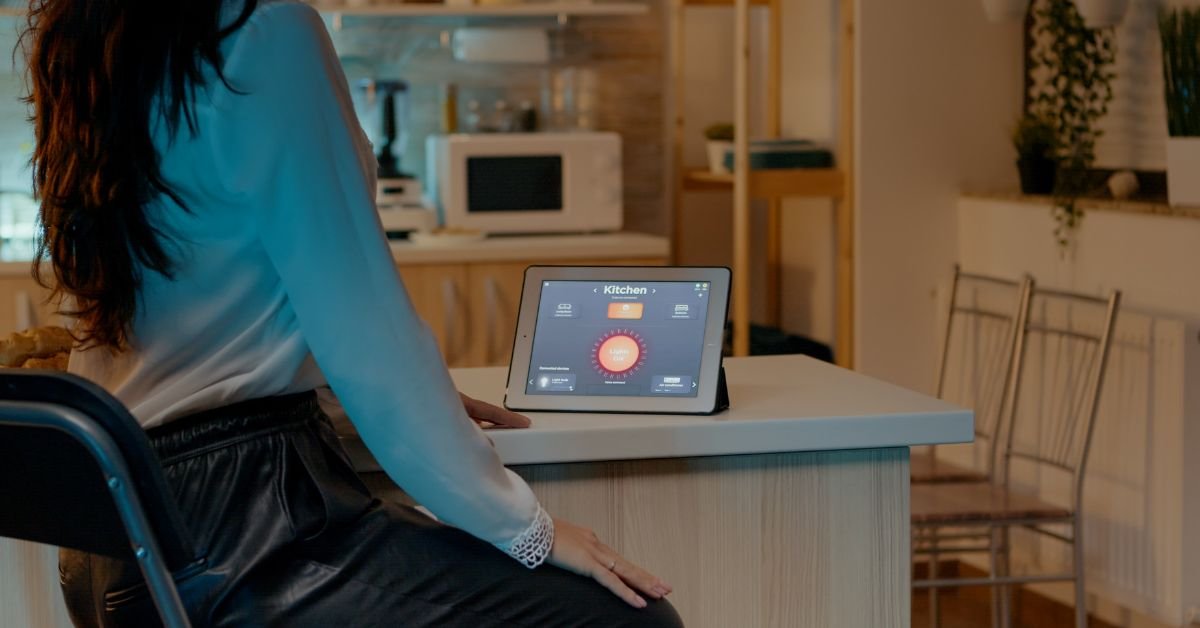
Heating technology has become a key part of modern lifestyle, especially as homes are becoming smarter and more energy-efficient. People no longer rely only on traditional heaters or manual systems. Instead, smart heating solutions now allow full control through mobile apps, sensors, and even voice assistants. This shift is not just about comfort, it is also about saving energy and reducing costs. Technology platforms like Troozer Blog often highlight how digital innovation is improving everyday life, including home automation and smart systems.
Evolution from Traditional Heating to Smart Systems
In the past, heating systems were basic and required manual control. People had to turn heaters on or off without any automation, which often led to energy waste. Now, smart heating systems have changed everything. These modern systems can automatically adjust temperature based on user habits and room conditions. This evolution shows how technology is reshaping home comfort and making life more efficient and convenient for homeowners.
Smart Thermostats and Their Benefits
Smart thermostats are one of the most popular innovations in heating technology. They allow users to control indoor temperature remotely using smartphones. These devices can learn daily routines and automatically adjust heating schedules for maximum efficiency. For example, they can reduce heating when no one is home and increase it before residents return. This not only improves comfort but also significantly reduces electricity bills over time.
Energy Efficiency and Cost Savings
One of the biggest advantages of modern heating systems is energy efficiency. Smart heating devices are designed to use less power while maintaining optimal comfort levels. Heat pumps, intelligent radiators, and automated heating controls help reduce unnecessary energy usage. This is especially important in today’s world where energy costs are increasing and environmental concerns are growing. Many households are now upgrading to eco-friendly heating systems to save money and reduce carbon footprints.
Role of IoT in Heating Technology
The Internet of Things (IoT) plays a major role in modern heating systems. IoT allows devices to connect and communicate with each other. For example, smart sensors can detect when a room is empty and automatically lower the temperature. Some systems even adjust heating based on weather forecasts. This level of automation creates a more intelligent and responsive home environment, making heating systems smarter than ever before.
Impact of Remote Work on Heating Needs
Remote work has changed how people use heating systems at home. Since more individuals now work from home, they need comfortable indoor temperatures throughout the day. This has increased demand for smart heating solutions that allow room-by-room temperature control. Interestingly, this trend also connects with broader lifestyle changes, including How Remote Work Is Changing Home Design, where homes are now being redesigned for comfort, productivity, and efficiency.
Artificial Intelligence in Heating Systems
Artificial Intelligence is making heating systems even more advanced. AI-powered systems can analyze user behavior, predict heating needs, and adjust settings automatically. Over time, they become more accurate and personalized. This means the system learns what temperature you prefer at different times of the day and adjusts without manual input. AI is making home heating smarter, more efficient, and more user-friendly.
Environmental Benefits of Modern Heating
Modern heating technology is also helping protect the environment. By using less energy and reducing waste, smart systems lower greenhouse gas emissions. Renewable energy sources like solar-powered heating systems are also becoming more common. These eco-friendly solutions are important for building a sustainable future and reducing the impact of climate change.
Conclusion
Heating technology has evolved from simple manual systems to highly intelligent and automated solutions. Smart thermostats, IoT integration, and AI-powered controls are changing how people experience comfort at home. At the same time, energy efficiency and environmental awareness are driving innovation in this field. Platforms like Troozer Blog continue to share insights on these modern trends, helping users stay informed about the future of smart living.