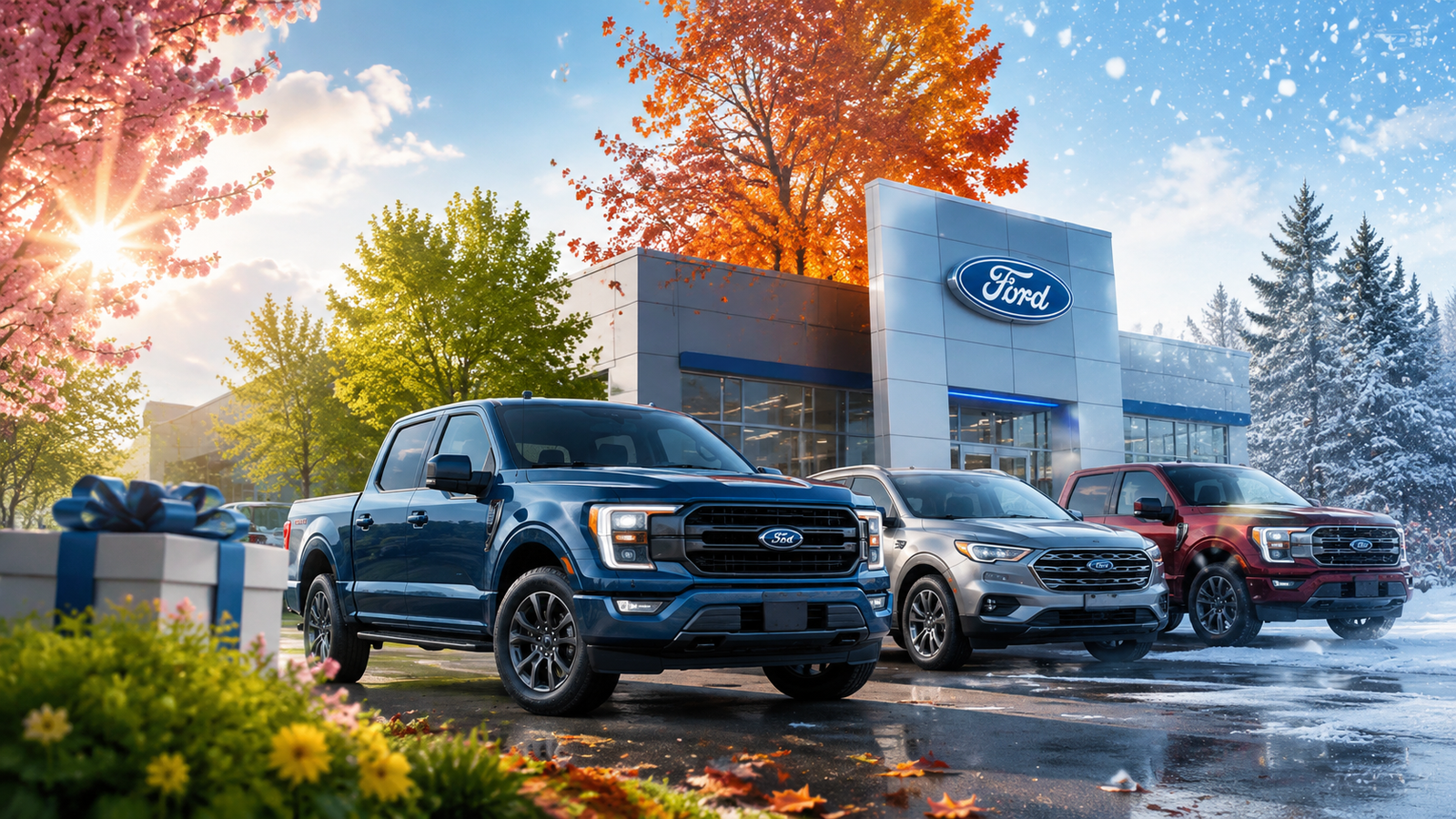
Seasonal promotions can make vehicle shopping more practical, especially when buyers want more value without rushing into the wrong decision. Ford dealerships often adjust offers around holidays, model-year changes, weather shifts, and sales events, giving customers a chance to compare pricing, financing, trade-in opportunities, and added perks. These promotions may apply to new vehicles, used models, service packages, or accessories, depending on timing and inventory. A thoughtful buyer can use these periods to stretch a budget further while still choosing a vehicle that fits daily driving needs, family plans, and long-term ownership goals.
Seasonal Savings Matter
- Timing Purchases Around Sales Events
Seasonal promotions help buyers because dealerships often align pricing and incentives with predictable shopping moments. End-of-year events may focus on clearing current model inventory before newer arrivals take priority. Spring promotions can attract buyers preparing for travel, home projects, or changing family schedules. Summer events may highlight trucks, SUVs, and road-trip-ready vehicles, while winter promotions can bring attention to all-wheel-drive models and service needs. When customers understand these cycles, they can shop with more confidence instead of reacting to the first price they see. Ford dealers in Wisconsin, such as Evansville Ford, may offer seasonal opportunities that help shoppers compare available vehicles, trade-in values, and financing terms during high-value buying windows. Timing does not mean buying solely because of a promotion; it means using the event as leverage while still checking the vehicle’s features, mileage, warranty coverage, and total cost over time.
- Comparing Incentives Beyond Sticker Price
A seasonal promotion is not always limited to a lower sticker price. Value can also come through reduced financing rates, lease offers, cash allowances, trade-in boosts, service credits, or accessory savings. A buyer who looks only at the monthly payment may miss how the full deal is structured. One offer might reduce the price upfront, while another might save more through financing over several years. Trade-in promotions can also make a difference if the current vehicle is in good condition and market demand is strong. Seasonal events give shoppers a reason to ask clear questions about what is included and what affects the final cost. This is helpful because taxes, fees, warranty options, maintenance plans, and loan terms all shape the real value of a vehicle purchase. Careful comparison helps buyers avoid being distracted by one attractive number while missing other costs that matter later.
- Matching Promotions With Vehicle Needs
The strongest value comes when a promotion matches the vehicle a buyer already needs. A family looking for cargo space, safety features, and comfort should not switch to a smaller vehicle simply because it is on seasonal discount. Someone who needs towing capacity should focus on trucks or SUVs that fit that use, not only on the model with the loudest offer. Seasonal promotions work well when they support a practical decision rather than replace one. For example, winter events may make sense for drivers who need traction and reliability in rough weather, while summer offers may support buyers preparing for travel or outdoor hauling. Shoppers should compare fuel economy, cabin space, technology, service history, and ownership costs along with the promotion. When the deal supports the right vehicle choice, the buyer gains value at the time of purchase and in daily use.
- Using Trade-Ins and Service Offers
Seasonal promotions can also increase value through trade-ins and service-related benefits. Dealerships may need more used inventory at certain times of the year, creating a better moment to discuss the value of a current vehicle. Clean maintenance records, good tires, a well-kept interior, and low repair needs can help the trade-in conversation go smoothly. Some promotions may include service discounts, maintenance packages, tire offers, or accessory savings that reduce ownership costs after the sale. These extras may not feel as dramatic as a lower purchase price, but they can matter over months of driving. Buyers should ask how long each offer lasts, whether it applies to the exact vehicle they want, and whether it can be combined with other incentives. A careful approach turns a seasonal event into a broader value opportunity rather than a single discount.
Seasonal promotions can help buyers get more value at a Ford dealership by improving timing, expanding incentive options, and creating stronger trade-in opportunities. The key is to focus on the full purchase, not just one advertised number. A smart shopper compares financing, vehicle fit, service perks, warranty details, and long-term ownership costs before making a decision. Promotions are most useful when they support a vehicle choice that already makes sense for daily life. With patience and clear questions, seasonal events can turn a routine purchase into a better-planned investment.
Read also: How Do Club Fitness Centers Adapt Workouts for All Age Groups?